
Returning to the Gym After Baby: A Physio's Guide to Doing It Safely
by Manisha Wijayanayagam, Physiotherapist and Pelvic Health Provider
Bringing a new baby into the world is an incredible experience, but it also places significant physical demands on the body. Whether you had a vaginal delivery or a cesarean section, your body undergoes major changes during pregnancy and childbirth.
For many new parents, returning to the gym feels like an important step toward regaining strength, energy, and confidence. However, rushing back into exercise too quickly can sometimes lead to setbacks. With the right approach, you can safely return to the activities you enjoy and build a stronger foundation than ever.
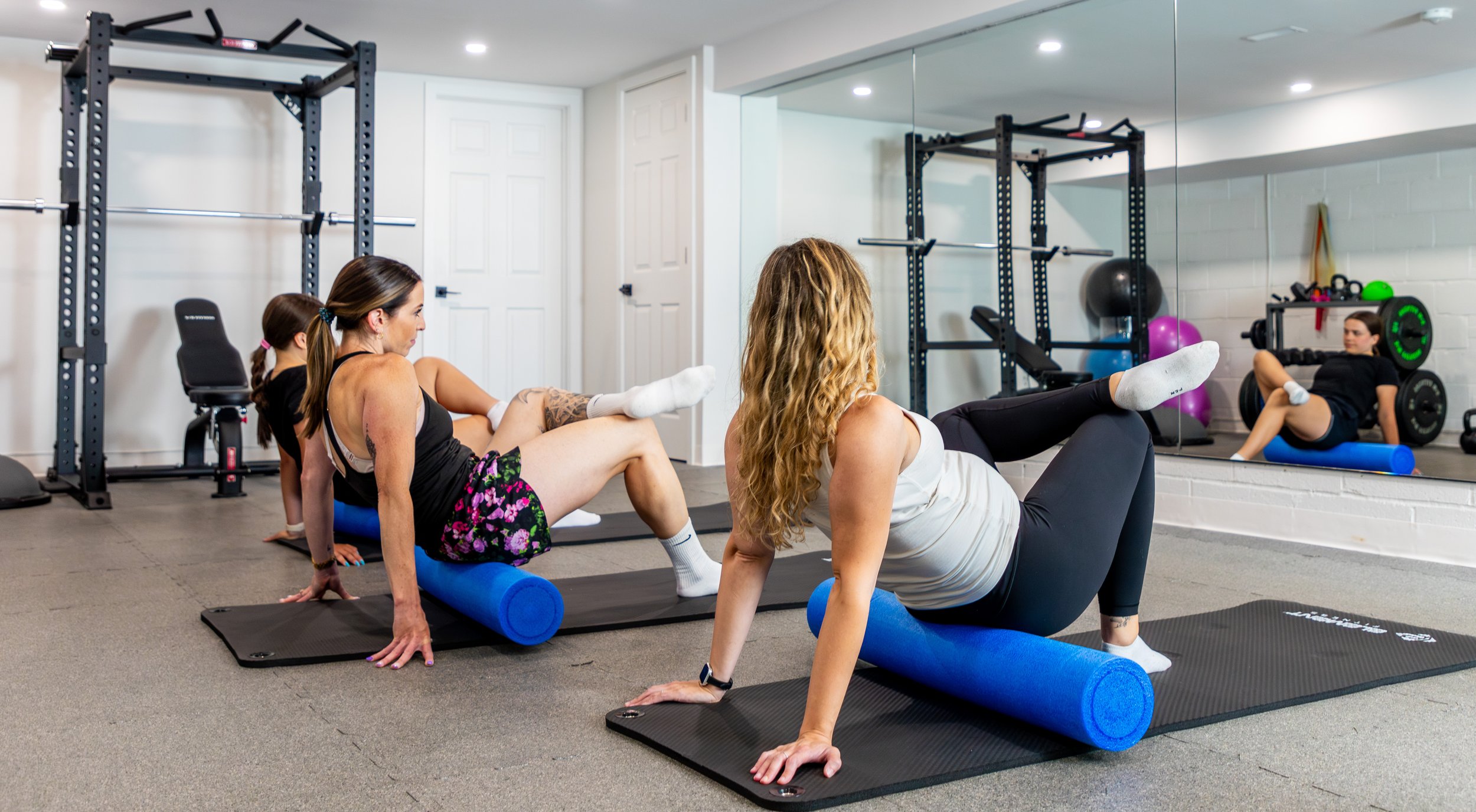
Why Returning to Exercise Isn't Always Straightforward
Pregnancy affects nearly every system in the body. Your abdominal muscles stretch to accommodate your growing baby, your pelvic floor supports increasing weight, and hormonal changes can affect joint stability and flexibility.
After delivery, your body begins a recovery process that can take months—not just weeks. While many people receive medical clearance around six weeks postpartum, this doesn't necessarily mean your body is fully prepared for high-impact exercise, heavy lifting, or intense workouts.
Instead of viewing the six-week checkup as a finish line, it can be more helpful to think of it as the beginning of a gradual fitness journey.
Start With the Foundations
Before jumping back into squats, deadlifts, running, or high-intensity interval training, it's important to rebuild your foundational strength.
Early on it’s important to focus on:
Breathing mechanics
Core activation
Pelvic floor coordination
Posture and alignment
Walking and low-impact movement
It can sometimes be a surprise to many new parents that proper breathing and pelvic floor function play a major role in lifting safely and generating strength. Establishing these basics first can improve performance and reduce the risk of future issues.
Watch for Warning Signs
Exercise should generally leave you feeling challenged but not symptomatic. If you experience any of the following during or after a workout, it may be a sign that your body isn't quite ready for that level of activity:
Urinary leakage
Pelvic heaviness or pressure
Pain in the pelvis, lower back, hips, or abdomen
Bulging or doming along the midline of the abdomen
Increased vaginal bleeding
These symptoms are common, but they are not necessarily normal. They often indicate that modifications or additional rehabilitation may be beneficial.

Progress Gradually
One of the biggest mistakes new parents make is trying to return to their pre-pregnancy workouts immediately. Even if you exercised regularly before and during pregnancy, your body needs time to adapt to its new demands.
A gradual progression may look like:
Phase 1: Walking, mobility exercises, breathing work, and gentle core activation.
Phase 2: Bodyweight strengthening exercises such as squats, bridges, step-ups, and modified planks.
Phase 3: Increased resistance training and more challenging functional movements.
Phase 4: Higher-impact activities such as running, jumping, and advanced strength training.
Remember that recovery timelines vary significantly from person to person. Sleep deprivation, breastfeeding, previous injuries, and delivery complications can all influence how quickly you progress through these phases.
Don't Forget About the Pelvic Floor
The pelvic floor acts as a support system for the bladder, bowel, and pelvic organs. During exercise, it helps manage pressure within the abdomen and pelvis.
Many people assume that postpartum recovery simply means doing Kegel exercises. In reality, the pelvic floor needs to be able to both contract and relax effectively. Some individuals may have weakness, while others may have excessive tension that contributes to symptoms.
A pelvic health physiotherapy assessment can help determine exactly what your body needs and provide a personalized plan for recovery.
Returning to Lifting and High-Intensity Workouts
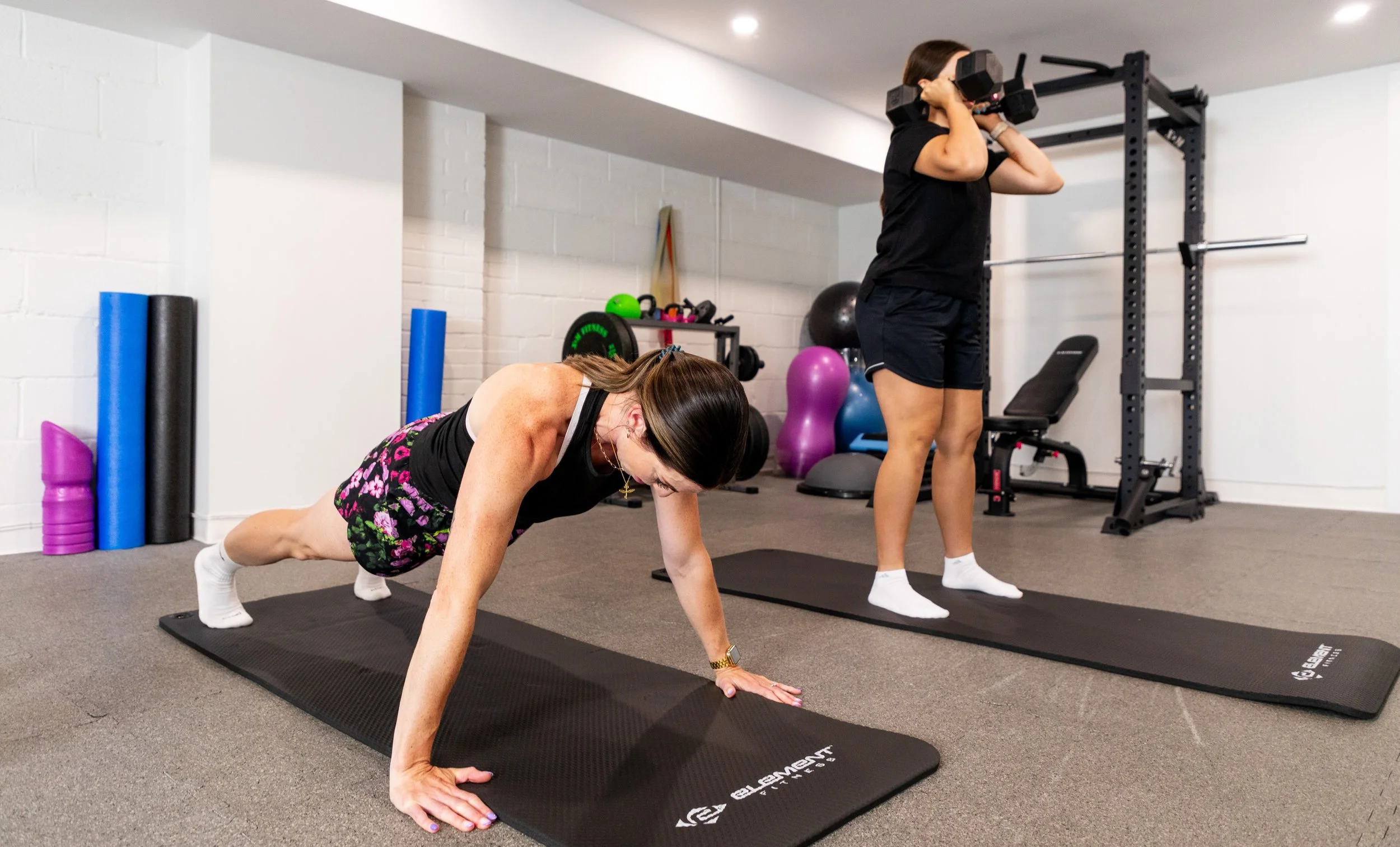
Strength training is one of the best ways to rebuild muscle, improve bone health, and support long-term function after pregnancy. However, technique matters.
When returning to heavier lifting:
Exhale during the effortful phase of the movement
Avoid holding your breath
Monitor for pelvic floor symptoms
Increase weights gradually
Prioritize quality of movement over intensity
Similarly, activities such as boot camps, CrossFit, running, and plyometrics should be reintroduced progressively rather than all at once.
Give Yourself Grace
The postpartum period is not just a physical recovery—it is a major life transition. Your body has accomplished something remarkable, and recovery is rarely linear.
Some weeks you may feel strong and energized. Other weeks, sleep deprivation, childcare demands, or illness may require you to scale back. That's completely normal.
Rather than focusing on getting your "old body back," consider focusing on building a strong, resilient body that supports the life you have now.
How Physiotherapy Can Help
A pelvic floor physiotherapist can assess your core function, pelvic floor health, movement patterns, and strength to help guide a safe return to exercise. Individualized rehabilitation can address common concerns such as abdominal separation (diastasis recti), pelvic floor dysfunction, low back pain, hip pain, and postpartum weakness.
Whether your goal is returning to recreational exercise, lifting weights, running a race, or simply keeping up with your growing family, a structured plan can help you recover confidently and safely
Next on your reading list:
1) Why Runners Should See a Pelvic Floor Physio
2) Strength Training for Runners: What Most Training Plans Get Wrong
