
Why Runners Should See a Pelvic Floor Physio (Even If You’re Not a Mom)
by Manisha Wijayanayagam, Physiotherapist and Pelvic Health Provider
When people hear the words pelvic floor physiotherapy, you may immediately think of pregnancy or postpartum recovery. While pelvic floor physiotherapy is incredibly valuable for new moms, it’s not just for women who have had children. In fact, runners of all ages and backgrounds — including those who have never been pregnant — can benefit from seeing a pelvic floor physiotherapist.
If you’ve ever experienced urinary leakage, felt heaviness or pressure, or struggled with persistent hip, low back, or core issues while running, your pelvic floor may be playing a bigger role than you think.
What Is the Pelvic Floor?
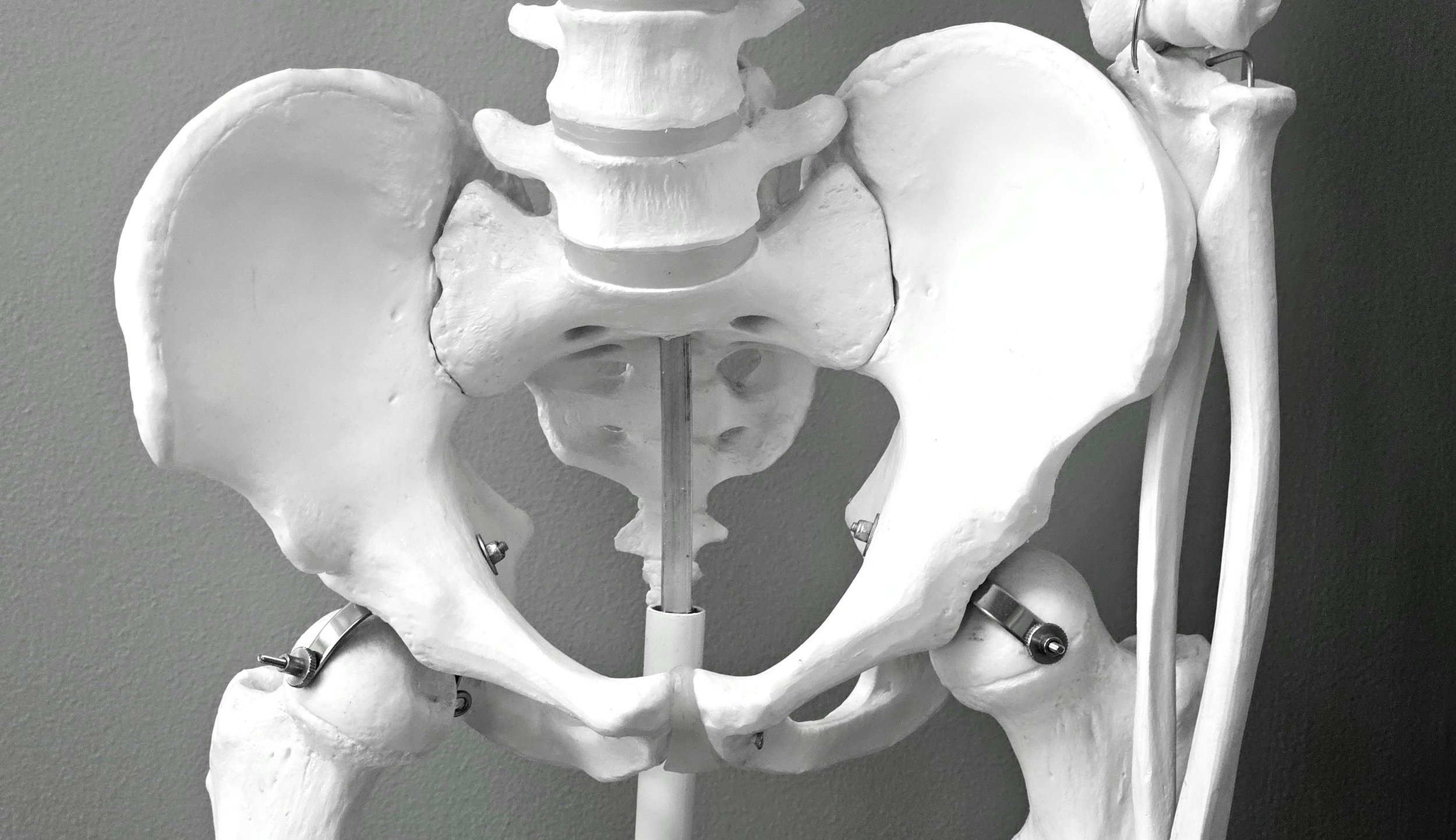
The pelvic floor is a group of muscles located at the base of your pelvis, extending from the pubic bone to the tailbone and side to side to each hip. The pelvic floor helps to stabilize the pelvis, supports the bladder, bowel, and reproductive organs, and contributes to breathing, posture, and movement.
For runners, the pelvic floor works closely with the diaphragm, abdominal muscles, hips, and glutes to manage impact forces and maintain control during movement.
Every time your foot hits the ground while running, force travels through the body — often two to three times your body weight. Your pelvic floor helps absorb and respond to those repetitive forces. Symptoms can start to appear when these muscles aren’t functioning optimally.
“I Leak When I Run… Is That Normal?”
Let’s clear up one of the biggest misconceptions in running: urine leakage during exercise may be common, but it is not necessarily “normal” and it’s not something you simply have to accept.
Leaking while running, coughing, jumping, or sprinting is often a sign that the pelvic floor is struggling to manage increased pressure in the abdomen effectively. This is sometimes called stress urinary incontinence, and it can happen to anyone — including young athletes and runners who have never been pregnant.
Many runners assume they just need to do more Kegels, but pelvic floor issues are rarely that simple. In fact, Kegels are not meant for everyone and can potentially make your symptoms worse.
Sometimes the pelvic floor is weak and underactive. More often than not, it’s actually too tense or overactive and unable to relax properly. In some cases, coordination, breathing mechanics, running technique, strength deficits, or training load may be contributing to symptoms.
A pelvic floor physiotherapist helps identify the why behind the issue rather than simply treating the symptom.
Signs a Runner Might Benefit from Pelvic Floor Physiotherapy
You don’t need to be leaking urine to benefit from an assessment. Runners may consider pelvic floor physiotherapy if they experience:
Urine leakage during running, jumping, or exercise
A feeling of heaviness, pressure, or fullness in the pelvis
Core weakness or difficulty returning to running after injury
Hip, groin, sacroiliac, or persistent low back pain
Trouble coordinating breathing during exercise
Pain with intercourse or pelvic discomfort
Difficulty returning to running postpartum or after surgery
Even if symptoms seem mild, early treatment can help prevent them from progressing and improve confidence while running.
It’s Not Just About Kegels
One of the most common surprises for runners is learning that pelvic floor physiotherapy involves much more than Kegel exercises.
Your assessment may include looking at:
Breathing mechanics and pressure management
Running form and movement patterns
Core and hip strength
Mobility and flexibility
Load management and training habits
Pelvic floor muscle coordination and function
Treatment is individualized and often includes education, strength training, mobility work, breathing strategies, and return-to-running guidance.
For some runners, the goal is to stop leakage. For others, it’s improving performance, reducing pain, or feeling stronger and more confident during training.

Running Should Feel Empowering
Many runners quietly adapt to symptoms by mapping out washrooms, wearing dark shorts, avoiding speed work, or cutting runs short. Because pelvic floor symptoms are under-discussed, people often assume they’re alone — but you’re not.
Seeing a pelvic floor physiotherapist doesn’t mean something is seriously wrong. Think of it like seeing a running physio for knee pain or a coach for improving performance: it’s about understanding how your body functions and helping it work better.
Running should feel strong, empowering, and enjoyable.
If pelvic floor symptoms are affecting your runs, or if you simply want to optimize how your body performs, a pelvic floor physiotherapy assessment can be an important first step toward running comfortably and confidently again.
Next on your reading list:
1) Strength Training for Runners: What Most Training Plans Get Wrong
