Pelvic Floor 101: What Every Active Woman Should Know Before She Has Symptoms
by Manisha Wijayanayagam, Physiotherapist and Pelvic Health Provider
When thinking about staying healthy and injury-free, we’re often told to focus on strength training, mobility, nutrition, and recovery. All of which are equally important, however there is a very important group of muscles that are often overlooked by active women – the pelvic floor.
You don't have to be pregnant, postpartum, or experiencing bladder leaks to benefit from understanding your pelvic floor. Whether you're a runner, weightlifter, dancer, CrossFit enthusiast, or simply enjoy staying active, your pelvic floor plays a vital role in how your body performs.
What Is the Pelvic Floor?
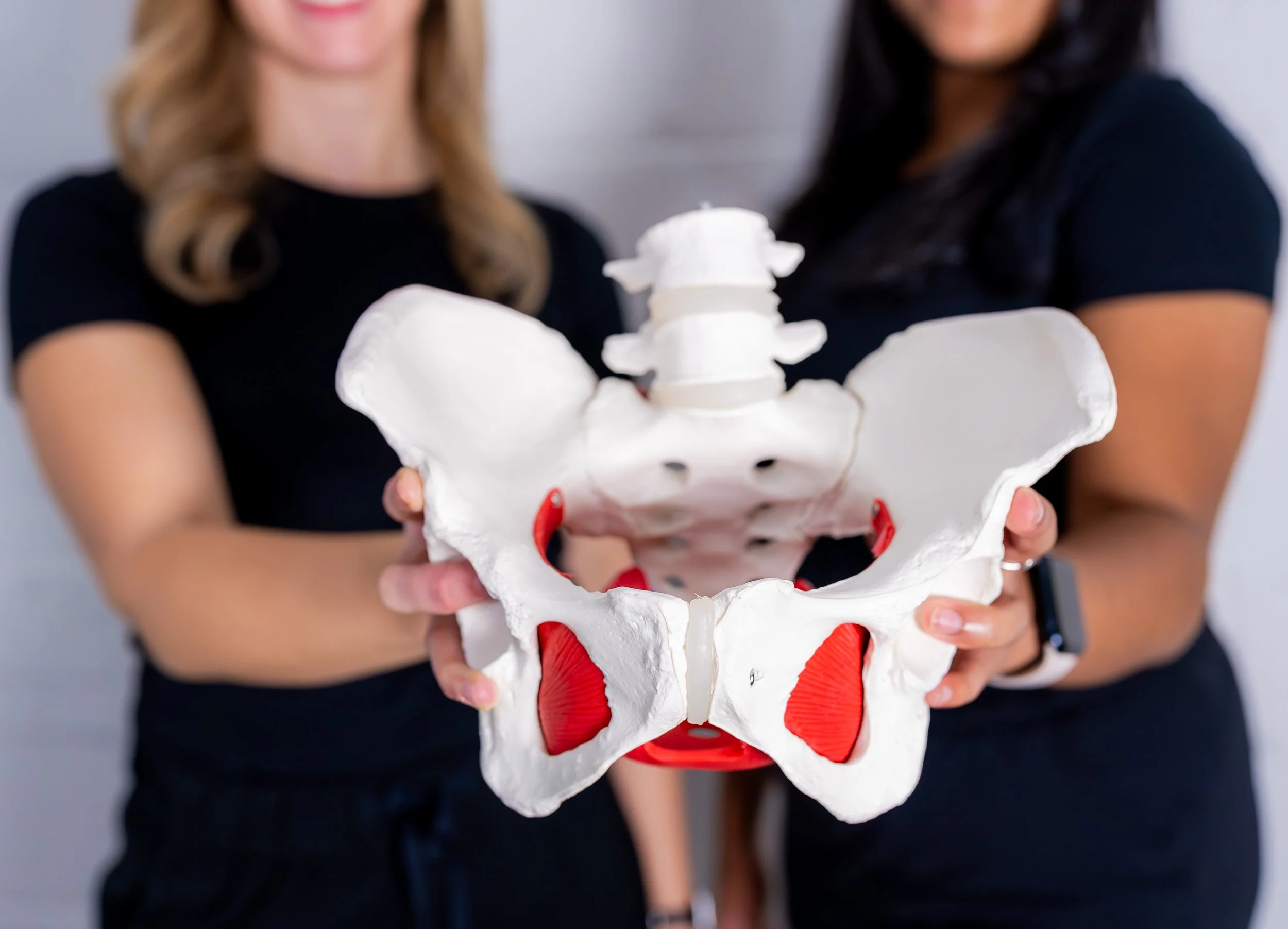
The pelvic floor is a group of muscles that forms a supportive hammock-like structure at the base of your pelvis. These muscles help support your bladder, bowel, and reproductive organs while also contributing to core stability, breathing, and continence.
The pelvic floor is a major player in your core team, working alongside your diaphragm, abdominal muscles, and deep back muscles to create stability and manage pressure efficiently throughout your body.
Why Should Active Women Care?
Every time you run, jump, lift, land, or change direction, your pelvic floor responds to the forces travelling through your body. During heavy lifting or high-impact exercise, these muscles automatically contract and relax to support your organs and help manage pressure in your abdomen.
When the pelvic floor isn't functioning optimally, your body may begin to compensate—even before obvious symptoms appear. These compensations can lead to the development of symptoms later on, and/ or affect performance, comfort, and movement efficiency.
Contrary to popular belief, pelvic floor problems aren't just caused by weakness. Sometimes the muscles are too tight, don't coordinate well, or struggle to relax when needed. Healthy pelvic floor function is about strength, endurance, flexibility, timing, and coordination.
Common Signs Your Pelvic Floor May Need Attention
As women, we tend to assume certain symptoms are a normal part of exercise or getting older. Symptoms like incontinence can be a common experience for many women, but should not just be accepted as “normal”. They can actually be signals that your body could benefit from an assessment.
Some common signs include:
Leaking urine during running, jumping, coughing, or lifting
A feeling of heaviness or pressure in the pelvis
Difficulty controlling gas or bowel movements
Persistent low back, hip, or pelvic pain
Pain with intercourse or tampon insertion
Feeling like you can't fully relax your pelvic muscles
Needing to urinate frequently during workouts
Even if these symptoms are mild or only happen occasionally, they're worth addressing early.
Kegels Aren't the Whole Story
One of the biggest misconceptions about pelvic health is that everyone should be doing Kegels. In reality, Kegels aren't appropriate for everyone.
Some women actually have overactive or tense pelvic floor muscles and repeatedly tightening them, as you do with Kegels, may worsen symptoms. Others may already have good strength but need better coordination or relaxation.
This is why an individualized assessment is so valuable. Rather than guessing, a pelvic floor physiotherapist can determine exactly what your body needs and create a treatment plan that's specific to your goals and activity level.
Prevention Is Easier Than Treatment
Just like you wouldn't wait for a serious knee injury before improving your squat technique, it's beneficial to look after your pelvic floor before problems develop.
A pelvic floor physiotherapy assessment isn't only for people with symptoms. It can identify movement patterns, breathing habits, muscle coordination, and pressure management strategies that may increase your risk of future complications.
Small adjustments to lifting mechanics, breathing techniques, running form, or exercise programming can often make a significant difference over time.
Building a Strong Foundation for Lifelong Movement
Your pelvic floor is just one part of your overall movement system, but it's an important one. Taking care of it now can help you continue doing the activities you love long-term and with confidence.
Whether your goal is to run your first 10K, increase your deadlift, return to dance, or simply stay active for years to come, understanding your pelvic floor is an investment in your long-term health—not just symptom management.
The best time to learn about your pelvic floor isn't after something goes wrong. It's before symptoms ever begin.
At Cadence Physiotherapy, our pelvic health physiotherapists work with active women of all ages to optimize movement, improve performance, and prevent future problems. Whether you're completely symptom-free or have noticed subtle changes during exercise, we're here to help you build a strong, confident foundation for every stage of your active life.