
Top 7 Injury-Prevention Tips for Weekend Warriors
by Alan Chan, Physiotherapist
For many people, the weekend is when fitness goals finally take center stage. Whether it’s a long run, a pickup game, a tough gym session, or an outdoor adventure, those two days often carry most of an entire week’s worth of activity. But jumping from a mostly sedentary routine into high-intensity exercise can put unnecessary stress on your body—and significantly increase your risk of injury.
If you want to stay active and pain-free, a smarter approach is key. Here are seven injury-prevention tips that will help you mitigate your risk of injury, so you can keep doing what you love.

1. Don’t Skip the Warm-Up
One of the most common mistakes weekend warriors make is diving straight into intense activity. Cold muscles and tendons are less flexible, which can put you at higher risk of a tear.
A proper warm-up doesn’t need to be long, but it should be purposeful. Spend 5–10 minutes doing light cardio like jogging or cycling. Follow that up with some mobility exercises for stiff body parts on that given day. If your calves are feeling tight, but not so much your lower back before your pickup soccer game, go ahead and stretch your calves before doing some light soccer drills. This allows you to be more streamlined in your warm-ups, leaving more time for fun!
2. Stay Active During the Week
Your body thrives on consistency. If you’re inactive all week and then push hard on the weekend, your muscles, joints, and tendons aren’t adequately prepared for the sudden load.
Incorporating even short sessions during the week can make a big difference. A couple of 20–30 minute workouts—like brisk walking, light strength training, or mobility work—can help maintain your baseline fitness. This reduces the shock your body experiences when the weekend arrives.
3. Build Strength to Support Your Joints
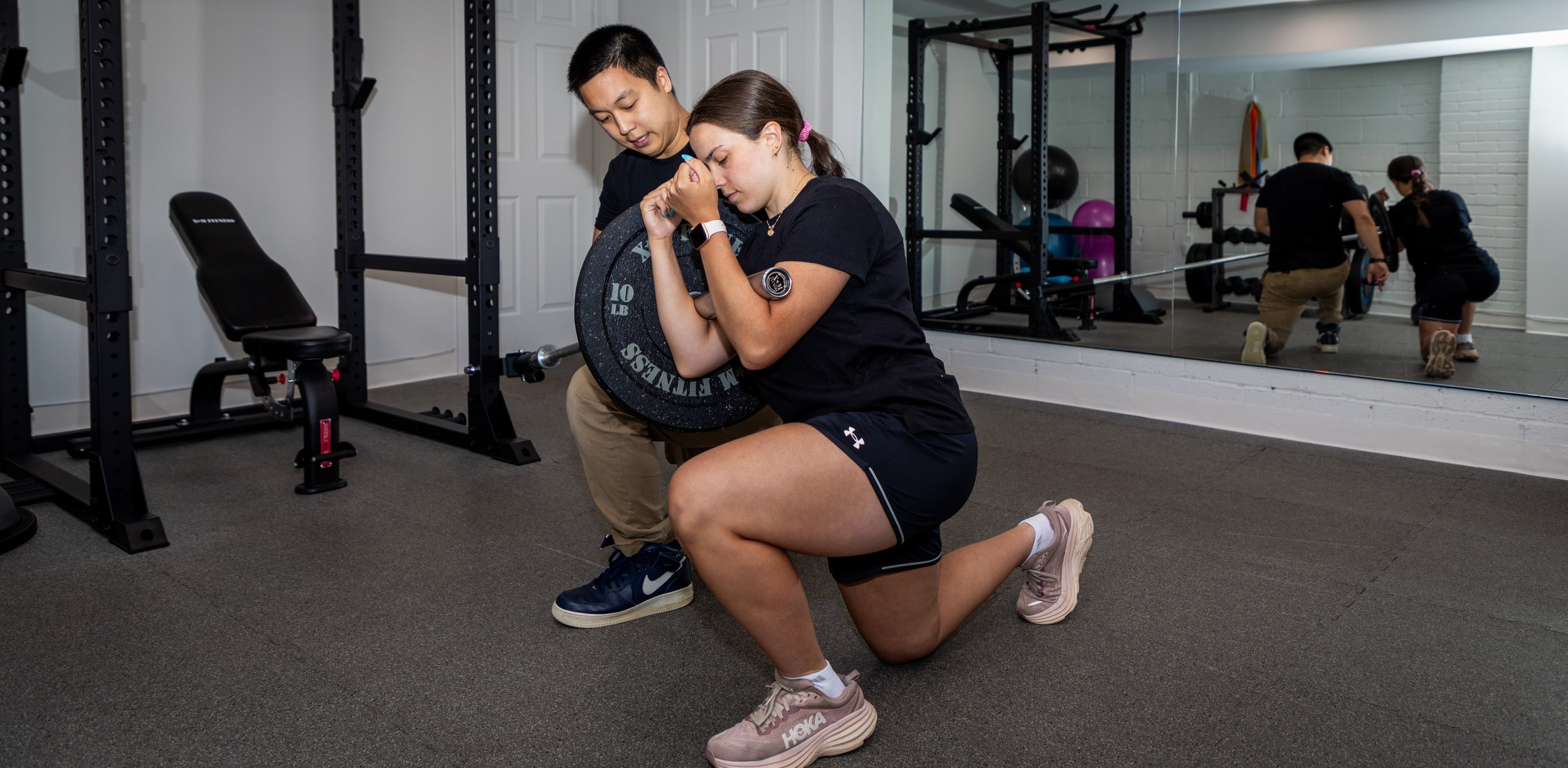
Strength training isn’t just for building muscle—it’s one of the best defenses against injury. Not only does it help you look your best, it also helps build bone density and maintain tendon health, all while providing mental health benefits.
Key areas to focus on include the core, outer hips, upper and lower back, shoulders, and calves. If injury prevention isn’t enough, getting stronger can help you get down the field faster, throw farther, and even jump higher.
4. Listen to Early Warning Signs
It’s easy to ignore minor aches when you’re eager to stay active, but that can backfire quickly. Pain is your body’s way of signaling that something isn’t right.
Pay attention to sharp pain, lingering soreness, or discomfort in your joints. These are early warning signs that shouldn’t be dismissed. Taking a step back and modifying your activity can help give your body the active rest it needs to bounce back. Seeing a rehab specialist such as a physiotherapist or chiropractor can also be helpful if you’re unsure about your next steps to get back to playing pain-free.
5. Progress Gradually
Trying to make up for lost time by doing too much at once is a recipe for injury. Whether it’s increasing your running distance, lifting heavier weights, or playing longer games, sudden spikes in intensity put excessive strain on your body.
A good rule of thumb is the 10% guideline: increase your activity level by no more than 10% per week. Gradual progression allows your muscles, tendons, and ligaments to adapt safely, reducing your risk of overuse injuries.
6. Make Recovery a Priority
Recovery isn’t optional—it’s essential. Without it, fatigue builds up, performance drops, and injury risk rises.
Make sure you’re getting enough sleep, staying hydrated, and giving your body time to rest between intense sessions. Light stretching, mobility exercises, or even a short walk can help promote circulation and reduce stiffness. Tools like foam rollers or massage devices can also help ease muscle tightness and improve recovery.
7. Focus on Technique That Fits Your Body
How you move matters, and individual differences in body type, strength, flexibility, coordination, and speed can place added stress on specific joints, muscles, ligaments, and tendons.
Taking the time to adjust your technique so it suits your body can go a long way in helping you perform at your best—without nagging aches and pains. Small changes in how you move can improve efficiency and reduce unnecessary strain.
For example, learning how to squat with your specific limb lengths in mind can make the movement feel more natural and controlled, ultimately allowing you to lift more weight safely over time.

Being a weekend warrior doesn’t have to come with aches, pains, or injuries. With a bit of preparation, consistency, and awareness, you can enjoy your activities while protecting your body.
The goal isn’t just to perform well for a day—it’s to stay healthy and active for the long run.
