
by Manisha Wijayanayagam, Physiotherapist
Welcome back to our 5 Pillars of Wellness series! In our first post, we explored nutrition and how fuelling your body can support energy, recovery, and overall health. Now, we’re turning our attention to another essential part of the wellness foundation: physical activity.
When we hear “physical activity,” we tend to imagine the more common activities like running or lifting weights. But being physically active is not limited to these two activities or even doing something that makes you feel like you’re pushing it to the limit. Some of the most important benefits of movement come from simply moving your body regularly and finding activities that you genuinely enjoy.
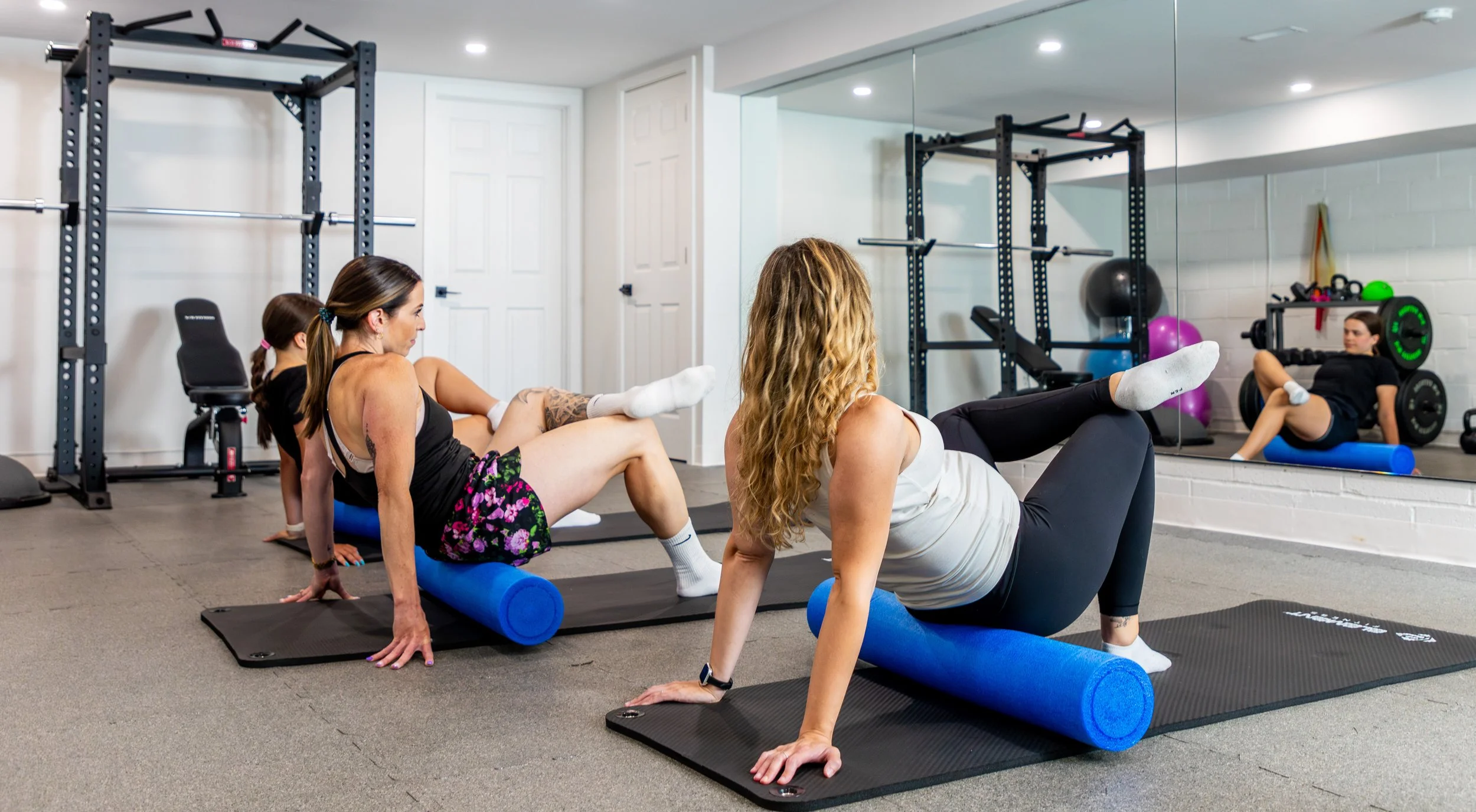
1. Movement Is for Every Body
Physical activity looks different for everyone. For one person, it might be strength training at the gym. For another, it could be walking the dog, gardening, swimming, dancing, cycling, or taking a yoga class. The goal is to find movement that fits your body, your abilities, your interests, and your lifestyle.
If you’re currently dealing with pain or recovering from an injury, physical activity may need to be modified—but that doesn’t necessarily mean you need to stop moving altogether.
2. Strength Matters
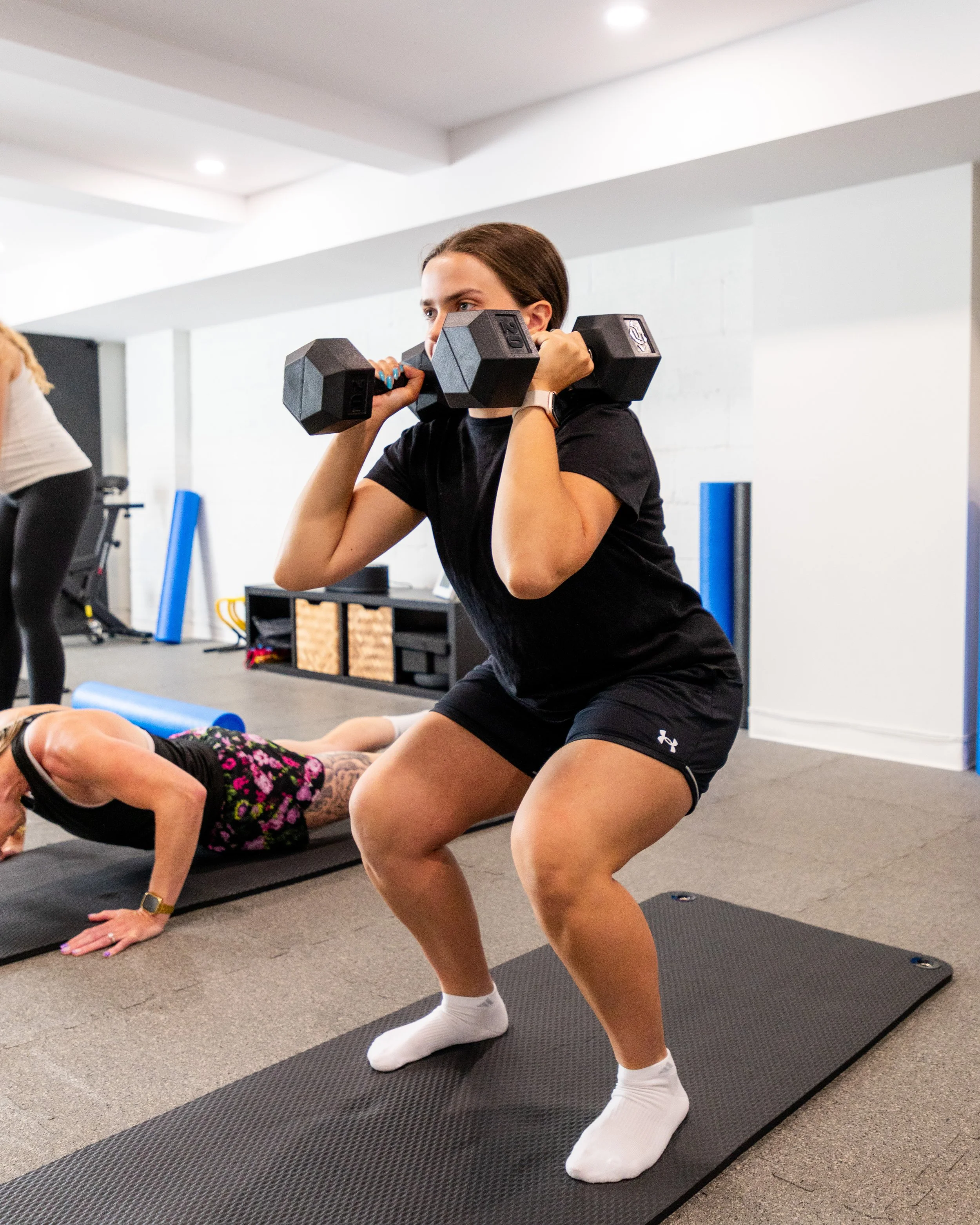
As we age, maintaining strength becomes increasingly important. Our strength is what supports everyday activities like climbing stairs, carrying groceries, getting up from a chair, and playing with your kids or grandchildren.
For women especially, resistance training can also help support bone health, joint function, balance, and physical independence.
As mentioned in our blog post titled “You Don't Need to Lift Heavy to Get Strong: What Women Should Know About Resistance Training”, you don’t need to lift extremely heavy weights to get stronger. Bodyweight exercises, resistance bands, machines, and appropriately challenging weights can all be effective ways to build strength.
3. Cardiovascular Health Counts Too
Strength is only one part of physical fitness. Your heart and diaphragm are also muscles that have a huge impact on overall fitness. Cardiovascular activity gets your heart and lungs working and can contribute to heart health, endurance, energy levels, and overall well-being.
Walking is a great example. A brisk walk can be an easy way to increase your activity level without requiring specialized equipment or a gym membership. For those who enjoy more intense activities, running, cycling, swimming, hiking, and fitness classes can all provide excellent cardiovascular exercise.
4. Consistency Beats Perfection
One of the biggest reasons people don’t engage in physical activity is lack of time. This can stem from a common misconception that if you don’t get 30-60 minutes of physical activity in at one time that it’s just not worth it.
A 10-minute walk is still movement. A 20 minute pilates video is still a workout. Taking the stairs, stretching between meetings, or going for a bike ride on the weekend all contribute to your overall physical activity.
Instead of thinking, “I don't have time to exercise,” try asking, “What movement can I realistically fit into my day?” Small amounts of movement, done consistently, can add up.
5. Find Something You Enjoy
More often than not, the most important factor in staying active is finding movement that you actually enjoy.
If you hate running, you don't have to run. If the gym isn't your thing, there are countless other ways to get active. Try walking with a friend, joining a recreational sports league, taking a dance class, hiking, swimming, or exploring a new activity. When physical activity meets enjoyability, you're much more likely to make it a lasting part of your lifestyle.
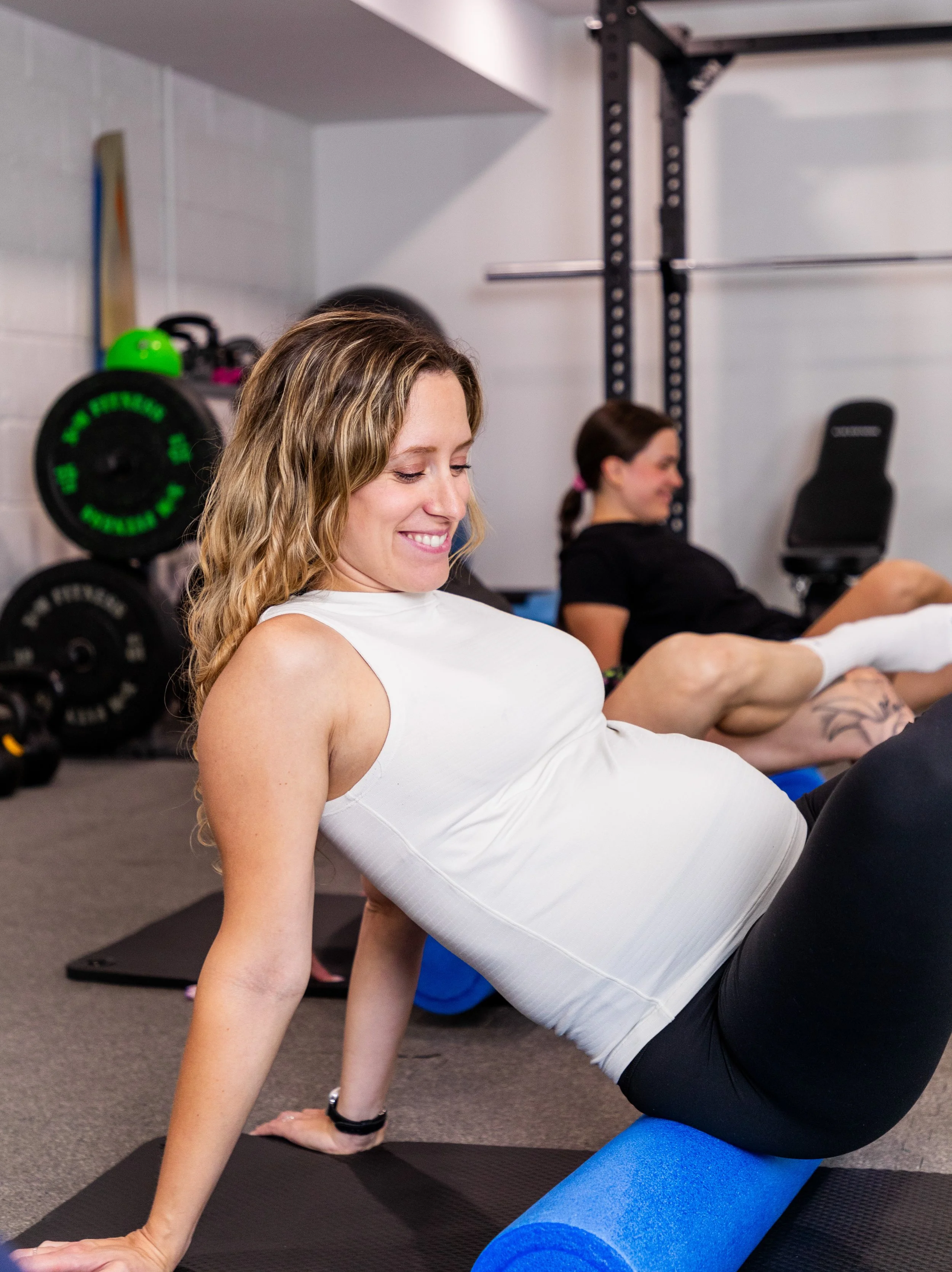
Keep Moving, Your Way
Physical activity is about more than fitness. It can help us maintain strength and mobility, support our cardiovascular health, improve our ability to participate in the activities we love, and contribute to our overall quality of life.
And just like nutrition, there is no one-size-fits-all approach.
The best exercise routine is one that is appropriate for your body, fits into your life, and is sustainable over time.
As we continue our 5 Pillars of Wellness series, remember that wellness isn't about checking every box perfectly. It's about finding small, sustainable ways to take care of yourself—and regular movement is an important place to start.
Cadence Physiotherapy is a great place to start your fitness journey, whether that’s through an initial assessment with one of our physiotherapists or signing up for our small group fitness classes!
Next on your reading list:
1) 5 Pillars of Wellness: Nutrition
2) You Don’t Need to Lift Heavy to Get Strong: What Every Woman Should Know About Resistance Training
3) Pelvic Floor 101: What Every Active Woman Should Know Before She Has Symptoms
