
You Don't Need to Lift Heavy to Get Strong: What Women Should Know About Resistance Training
by Manisha Wijayanayagam, Physiotherapist
When you hear “strength training,” you might picture loaded barbells and crowded weight rooms, all of which can be quite intimidating. We’re here to reassure you that getting stronger doesn't require lifting extremely heavy—or even stepping into a traditional gym.
For women especially, resistance training is one of the most valuable forms of exercise for building strength, supporting bone health, improving physical function and reducing the risk of injury. And the good news is that you can make meaningful progress without lifting your maximum.
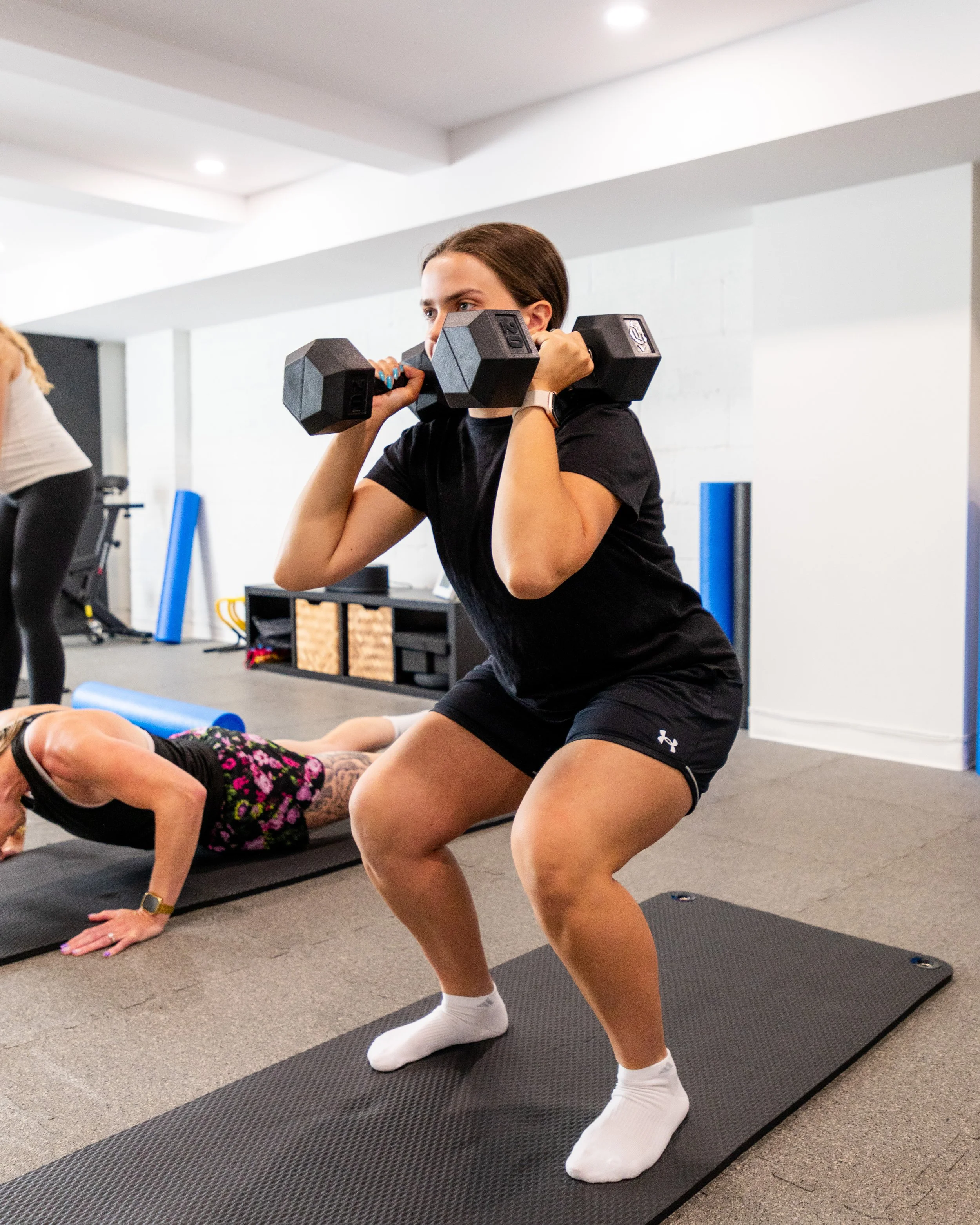
Strength Isn't Just About How Much You Lift
Strength training is about challenging your muscles enough that they have to adapt. That challenge can come from dumbbells, resistance bands, machines, bodyweight exercises or even everyday objects.
The amount of weight matters, but it's only one part of the equation. How you perform an exercise, how many repetitions you complete, how often you train and how you progressively increase the challenge all play a role.
For example, a bodyweight squat may be relatively easy for one person but very challenging for another. A resistance band might provide plenty of resistance for one exercise while a heavier dumbbell is appropriate for another.
The goal isn't necessarily to lift the heaviest weight possible. The goal is to provide your muscles with an appropriate challenge.
You Don't Have to Be “Strong” Before You Start
A very common misconception is that you need to already be fit or strong before beginning resistance training. In reality, strength training can be modified for almost any starting point.
You might begin with:
Bodyweight squats to a chair
Wall or incline push-ups
Glute bridges
Resistance-band exercises
Light dumbbells
Supported lunges or step-ups
As your strength and confidence improve, you can gradually increase the resistance, repetitions, range of motion or complexity of the exercise.
This process is called progressive overload, and it is one of the key principles behind getting stronger.
Why Strength Training Matters for Women
Building strength isn't simply about aesthetics. Resistance training can help support your body and allow you to do things you rely on every day. From carrying groceries, climbing stairs, getting up from a chair, to playing with your kids, resistance training is the best way to ensure longevity in all the things that you do.
Strength training is also particularly important for maintaining muscle mass and supporting bone health as women age. Developing a strong foundation earlier in life can help you continue participating in the activities you enjoy for years to come.
For active women, strength training can complement activities such as running, cycling, dancing and recreational sports by improving your capacity to handle physical demands.
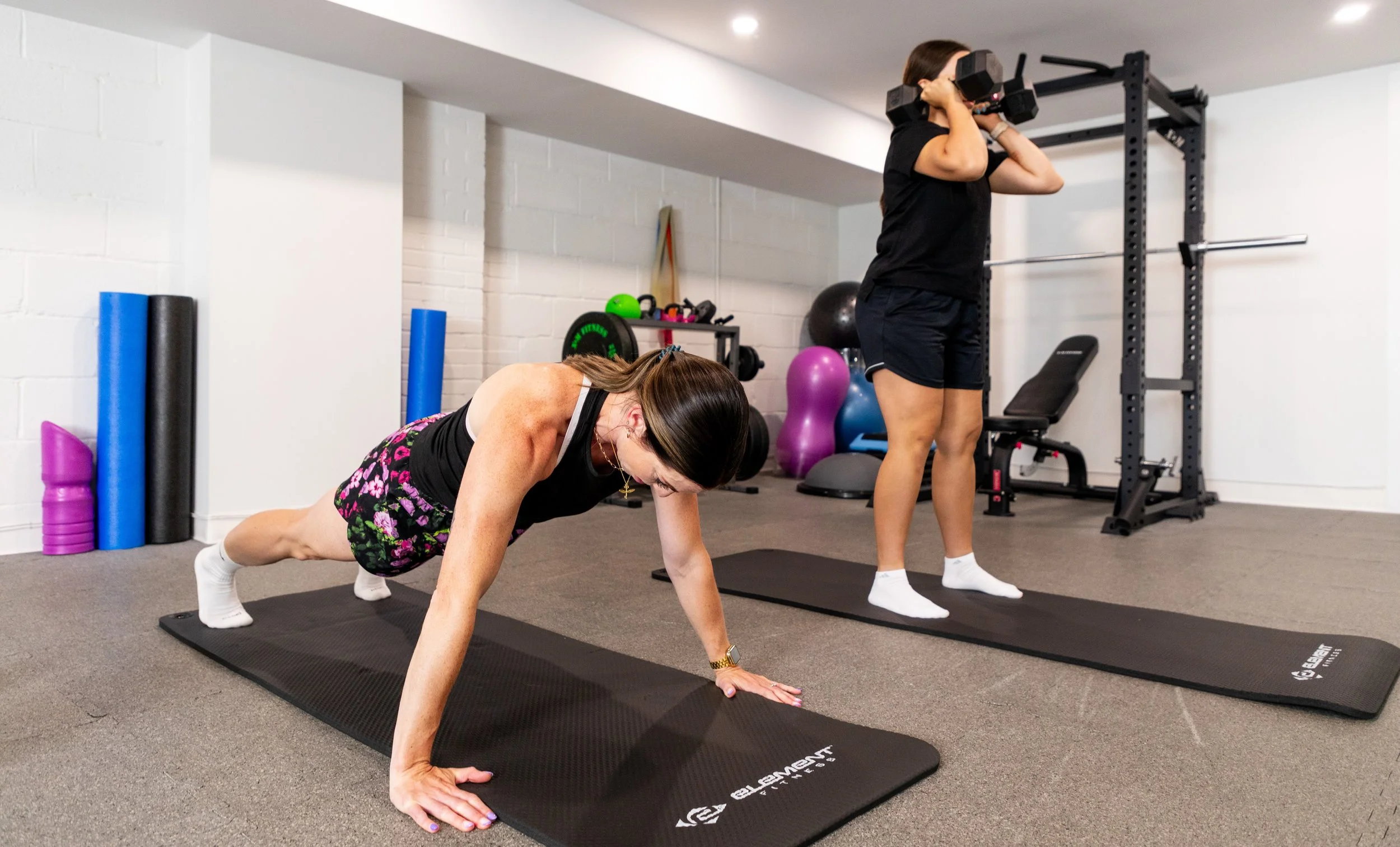
What About Getting “Bulky”?
This is a concern we hear from some women when they consider starting resistance training. But gaining significant muscle mass doesn't happen accidentally. Building substantial muscle requires consistent training, adequate nutrition and time.
For most women, incorporating resistance training into a balanced exercise routine is much more likely to result in greater strength, improved muscle tone and better physical capacity than suddenly becoming “too muscular.”
How Heavy Should You Lift?
There isn't one perfect weight for everyone.
A good starting point is choosing a resistance that allows you to perform your exercises with good technique while still feeling challenged toward the end of a set. As the exercise becomes easier, you can gradually increase the challenge.
Your physiotherapist or other qualified exercise professional can help you determine where to start and how to progress safely—particularly if you're returning to exercise after an injury, surgery or pregnancy.
The Bottom Line
You don't need to lift the heaviest weights in the gym to become stronger. You need a consistent, appropriately challenging resistance-training routine that progresses with you.
Whether you're a seasoned athlete or someone picking up weights for the first time, strength training has a place in your routine. Start where you are, focus on good movement, and gradually challenge your body.
You don't have to lift heavy to get strong. You just have to start.
