
5 Pillars of Wellness: Nutrition
by Manisha Wijayanayagam, Physiotherapist
What does it really mean to be healthy/well?
Wellness is about more than simply being free from pain or checking “exercise” off your to-do list, even though as a physiotherapist, I may be a little biased towards these particular areas of wellness. To be well can stem from a combination of the everyday choices and habits that help you feel strong, energized, resilient, and capable of doing the things you enjoy.
Over the next five blog posts, we’ll be exploring the 5 Pillars of Wellness—the key areas that can contribute to your overall physical and mental well-being. Bearing in mind, as a physiotherapist, our scope really covers physical activity, but I’ll be drawing from principles spoken about by our colleagues who are experts in the other areas of wellness. We’re kicking off the series with a foundation that affects nearly every aspect of how your body functions: nutrition.
You’ve heard it before: “You are what you eat”. But what does that really mean? The food we eat provides our bodies with the energy and nutrients our bodies need for all aspects of function. This includes allowing your body to move, think and recover. You don’t need a perfect diet to support your health. Instead, think about creating sustainable habits that nourish your body consistently.

1. Food Is Fuel
Your body needs energy to get through the day, whether you're heading to the gym, going for a run, working at a desk, or simply keeping up with everyday life. Food is the source of that energy.
Eating regularly and including a balance of carbohydrates, protein, and healthy fats can help support steady energy levels. Carbohydrates are an important source of fuel for physical activity, protein supports muscle repair and maintenance, and healthy fats play an important role in hormone production and overall health.
2. Nutrition Supports Recovery
Recovery doesn’t happen only during your physiotherapy appointment. Your body continues repairing and adapting long after you leave the clinic.
Adequate protein provides the building blocks needed for muscle repair, while carbohydrates help replenish energy stores after activity. Vitamins, minerals, and other nutrients also support a wide range of processes involved in tissue health and recovery.
If you're working through an injury, recovering from surgery, or increasing your activity level, giving your body enough fuel can be an important part of the bigger picture.

3. Hydration Matters
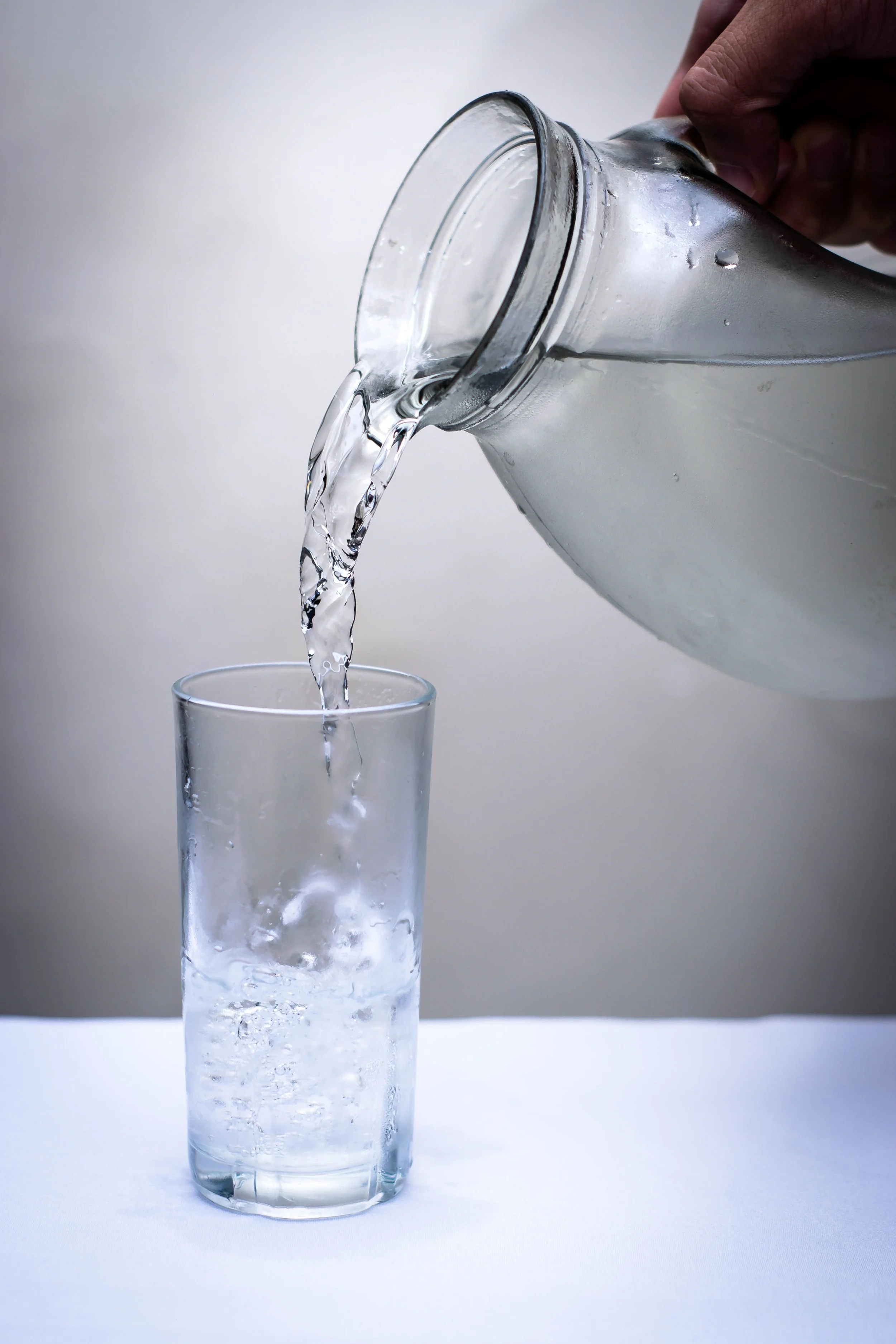
Water is easy to overlook, but hydration plays an important role in overall health and physical performance.
Even mild dehydration can contribute to fatigue and may affect how you feel during exercise. Increased instances of cramping, for example, can be an indicator that you need more hydration. Your hydration needs will vary depending on factors such as activity level, temperature, and individual needs.
A simple strategy is to keep a water bottle with you throughout the day and make drinking water part of your routine rather than waiting until you feel thirsty.
4. Think Variety
There is no single “perfect” diet, and the ideal diet often varies from person to person.
Aim for variety by including different fruits and vegetables, whole grains, protein sources, and healthy fats throughout the week. Different foods provide different nutrients, so variety helps ensure your body gets a broad range of what it needs. Eat a variety to cover all your bases.
And yes, there is room for foods you simply enjoy. Wellness is not about perfection. A sustainable approach to nutrition should fit into your real life.
5. Make It Sustainable
The best nutrition habits are the ones you can maintain (similar to what we advise with changes to physical activity).
Instead of making dramatic changes overnight, start with one small habit. You might add a serving of vegetables to dinner, prepare a protein-rich breakfast, keep nutritious snacks available, or drink more water throughout the day.
Small, consistent changes can add up over time.
Nutrition Is Part of the Bigger Picture
At our clinic, we believe wellness extends beyond treating pain or recovering from an injury. Movement, strength, sleep, stress management, and nutrition all contribute to how you feel and function.
Nutrition doesn't need to be complicated. Focus on fuelling your body, supporting your recovery, enjoying your food, and building habits that work for your lifestyle.
If you have specific nutritional concerns related to a medical condition, injury, or training goals, consider speaking with a registered dietitian or other qualified healthcare professional for individualized guidance.
Next on your reading list:
1) You Don’t Need to Lift Heavy to Get Strong: What Every Woman Should Know About Resistance Training
2) Pelvic Floor 101: What Every Active Woman Should Know Before She Has Symptoms
