Why Small Group Pelvic Floor Classes Matter for Postpartum Recovery
by Sarah Hull, Physiotherapist and Pelvic Health Provider
The postpartum season is often described as joyful—and it is—but it’s also a time of deep physical recovery. Pregnancy and childbirth ask a lot of your body, especially your pelvic floor and core.
It’s completely normal to feel eager to “get back” to exercise. But returning to regular workouts without rebuilding your foundation can sometimes create more problems than it solves.
That’s where small group pelvic floor classes come in. They offer a safe, supportive, and structured path back to strength—without rushing the process.
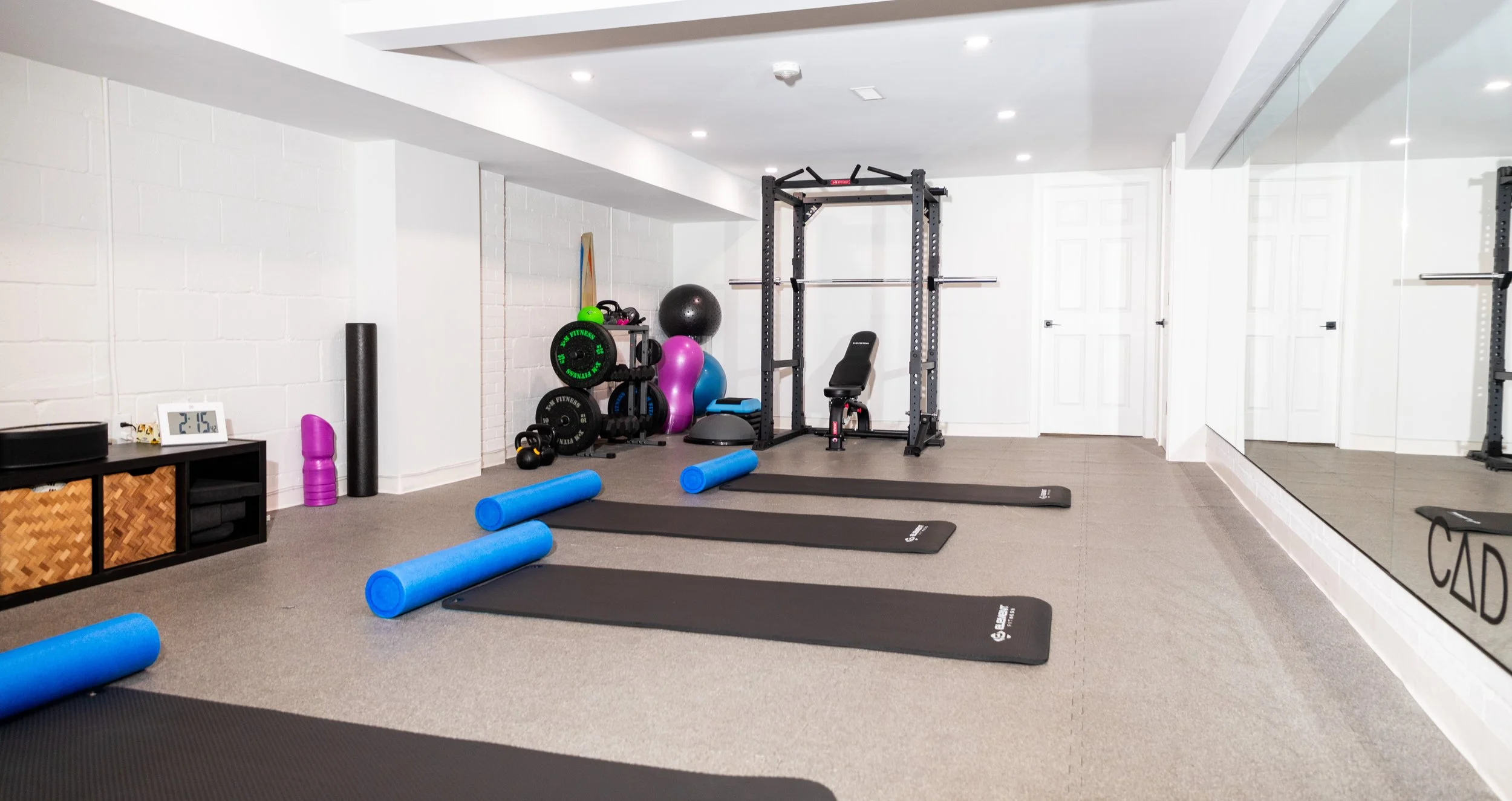
At Cadence Physiotherapy, small group postpartum classes led by Jamie Bell are designed specifically for this stage of recovery. Even better? Babies are welcome, so you don’t have to choose between caring for yourself and caring for your little one.
What Happens to the Pelvic Floor After Childbirth?
Your pelvic floor is a group of muscles that supports your bladder, uterus, and bowel. During pregnancy and delivery, these muscles stretch significantly.
As a result, many women experience:
Urinary leakage when coughing, sneezing, or exercising
A feeling of pelvic heaviness or pressure
Core weakness
Back or hip pain
Reduced stability during movement
These symptoms are common—but they’re not something you just have to live with. With targeted strengthening and proper guidance, your body can recover.
Why Pelvic Floor Strengthening Should Be a Priority
Pelvic floor rehab is about much more than stopping leaks. It’s a foundational part of long-term health and strength.
1. It Restores Core Stability
Your pelvic floor works closely with your deep abdominal muscles and diaphragm. Together, they create stability for everything you do—lifting your baby, carrying a car seat, returning to workouts.
Classes that focus on breathing, alignment, and deep core activation help reconnect this system safely. It’s also a key part of healing diastasis recti.
2. It Helps Prevent Long-Term Issues
Without proper rehab, postpartum women are at greater risk for prolapse, ongoing incontinence, and persistent pain. Early, guided strengthening helps reduce those risks and supports lifelong pelvic health.
3. It Creates a Safe Return to Exercise
Running, lifting, and high-impact workouts can absolutely be part of your future. But rebuilding strength first matters.
Small group classes ensure exercises are performed correctly and progressed gradually—so you feel confident and supported every step of the way.
Spotlight: Small Group Mom Classes at Cadence Physiotherapy
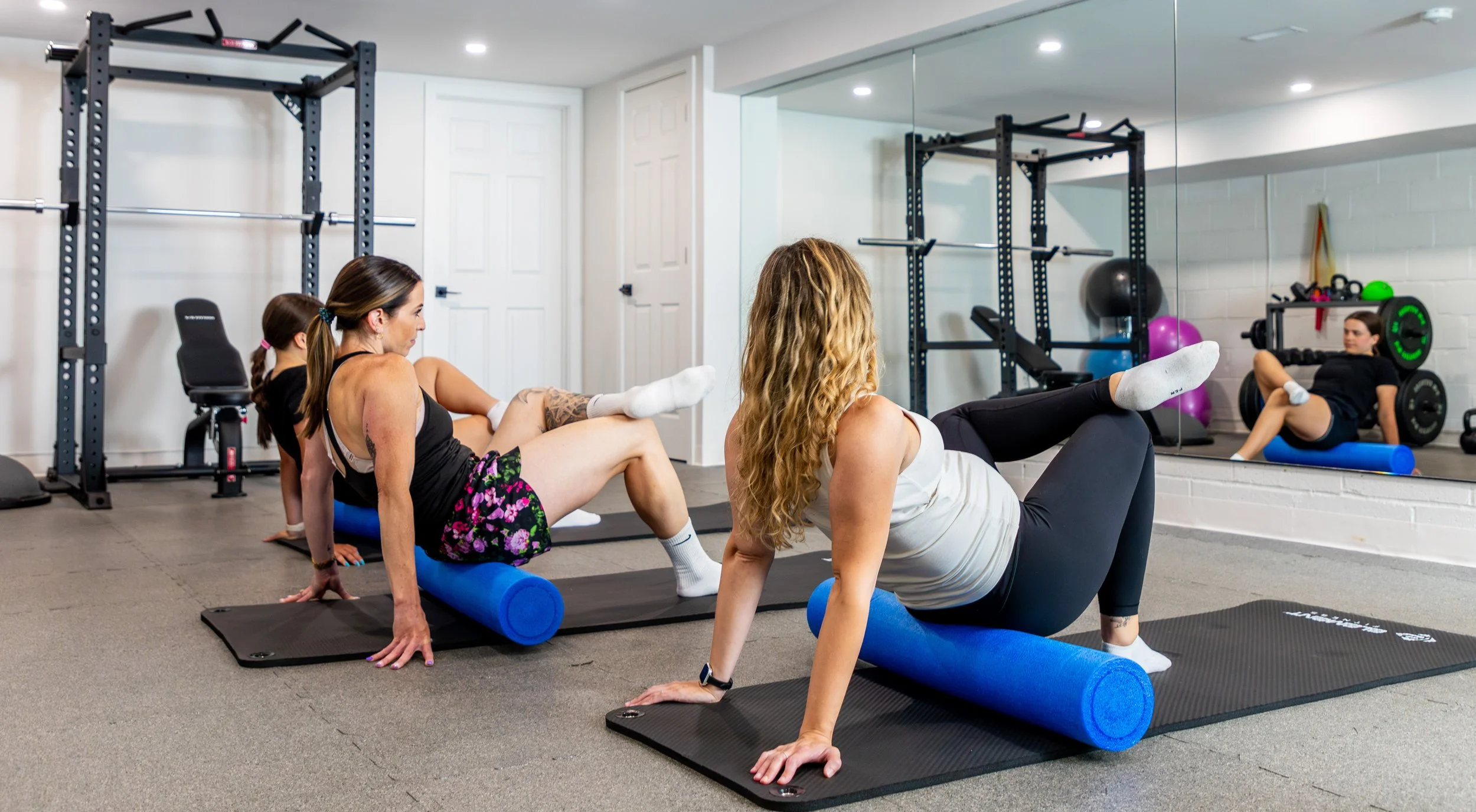
The Core Revival small group class at Cadence Physiotherapy, led by Jamie Bell, is designed specifically for postpartum recovery.
Here’s what makes it special:
Babies Are Welcome
You can bring your baby to class. Feeding, soothing, and tending to their needs is completely supported. No pressure. No stress.
Focused Pelvic Floor and Core Rehabilitation
Each class emphasizes:
Pelvic floor strengthening
Deep core activation
Mindful breathing
Proper alignment
Gradual full-body strength progression
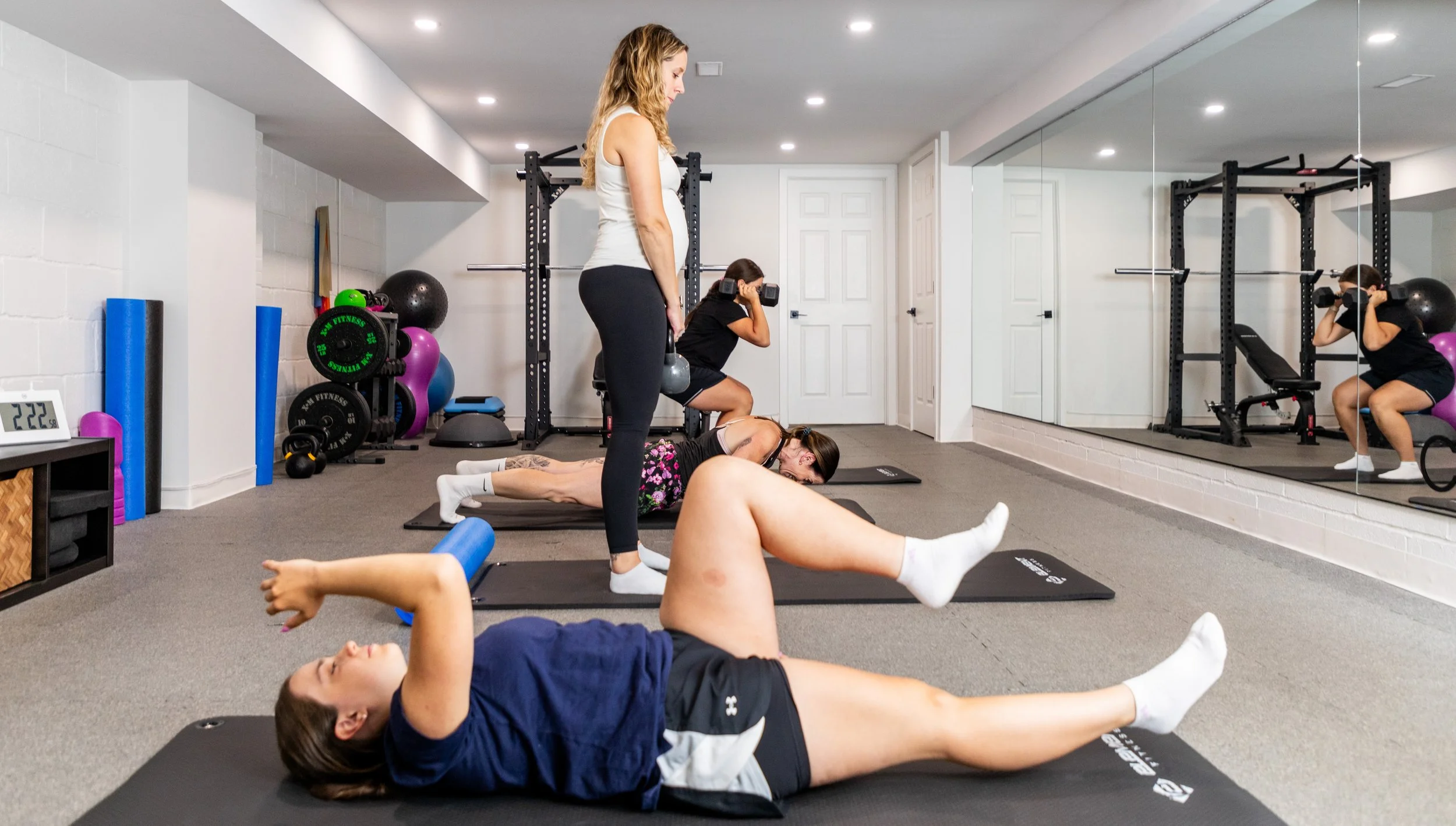
Low-impact exercises using resistance bands, bodyweight, and light weights help you rebuild strength safely.
Designed for Postpartum Bodies
No previous fitness experience is required. Exercises are tailored to your stage of healing, symptoms, and delivery type.
Built-In Community Support
There’s something powerful about recovering alongside other moms who truly understand what you’re going through. The shared experience, encouragement, and connection make a real difference.
Why Professional Guidance Matters
Many women try to strengthen their pelvic floor on their own—but doing the wrong exercises (or even too many Kegels) can sometimes make symptoms worse.
Physiotherapist-guided classes ensure:
Muscles are activated correctly
Exercises progress safely
Symptoms are monitored
Recovery is optimized
The team at Cadence Physiotherapy specializes in pelvic floor physiotherapy and postpartum rehabilitation, so you’re supported by professionals who truly understand this stage of healing.
When Can You Start?
In general, many women begin pelvic floor-focused classes around:
6 weeks postpartum after a vaginal delivery
8 weeks postpartum after a C-section (with medical clearance)
However, every recovery is different. A pelvic floor assessment with one of the physiotherapists at Cadence can help determine the right timing for you.
Postpartum recovery isn’t about bouncing back—it’s about rebuilding well.
Programs like Core Revival Level 1 and 2 at Cadence Physiotherapy combine expert guidance, baby-friendly accessibility, and a supportive community—creating a thoughtful, sustainable path back to strength.
