
Why Your Ankle Keeps Rolling: Understanding and Preventing Dancer’s Ankle Instability
by Eleni Boosalis, Physiotherapist
Ankle injuries are one of the most common issues I see in dancers. I often hear, “My dancer keeps rolling their ankle,” or “It feels weak even though it healed.” If this sounds familiar, you or your dancer may be dealing with ankle instability.
As a physiotherapist who works with dancers and as a former competitive dancer, I understand how frustrating recurring ankle issues can be. The good news is that even though ankle instability is common, it is very treatable with the right approach.
Let’s break down why ankles keep rolling in dancers and what can be done to prevent it.
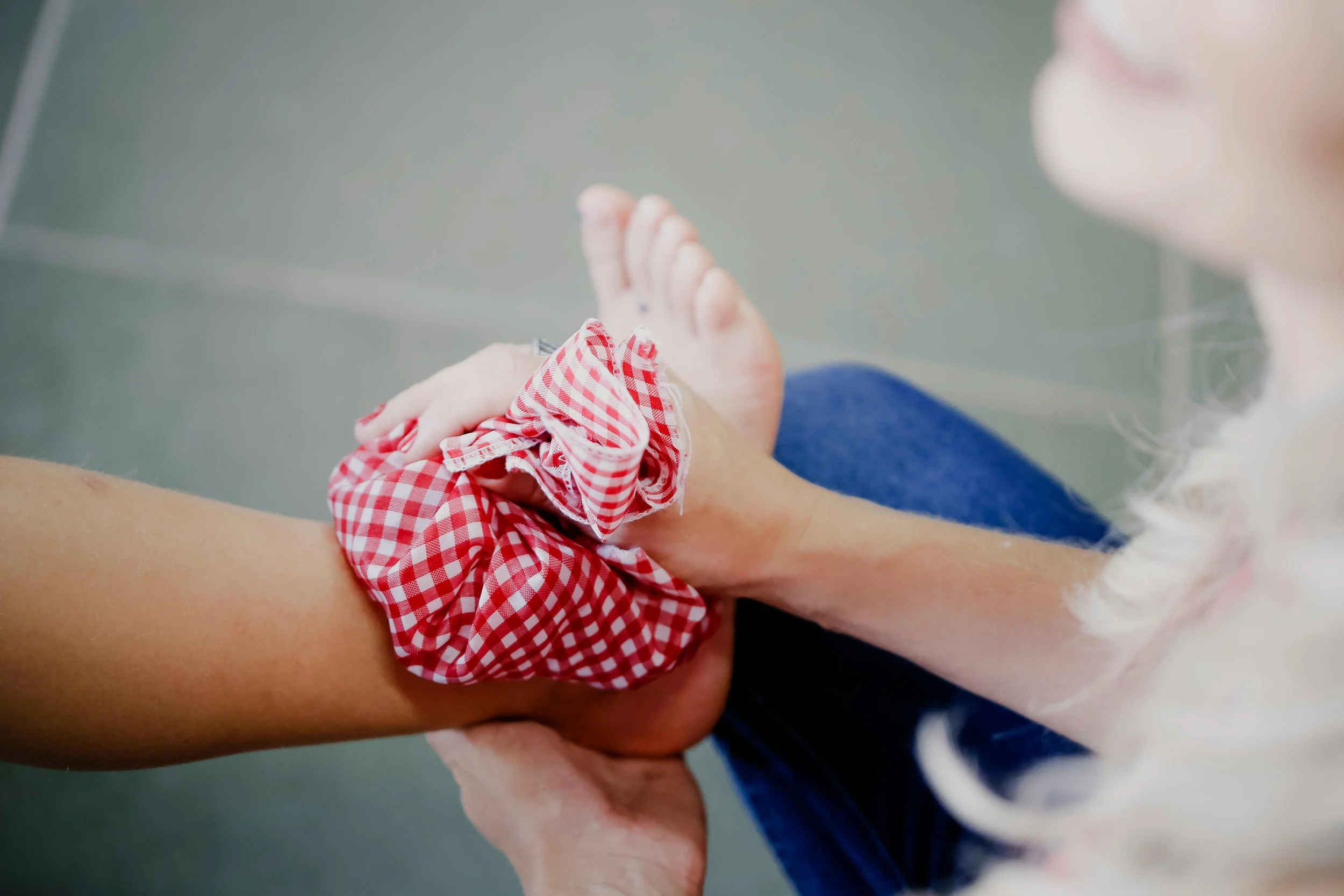
What Is An Ankle Instability?
Ankle instability happens when the ankle feels weak, wobbly, or prone to rolling, especially during jumps, turns, or uneven landings. It often develops after a sprain that didn’t fully heal or regain full strength. Even if pain has disappeared, the muscles and ligaments around the ankle may not provide enough support.
Dancers are particularly prone to instability because their art demands frequent relevés, jumps, and quick changes of direction. Ankle instability often develops after a sprain that didn’t fully heal, but it can also be influenced by weaknesses in the foot and ankle muscles, fatigue from long rehearsals, or limited stability in the hips and core. When the ankle doesn’t have enough support, it becomes more likely to roll during dance movements.
Signs Your Dancer May Have Ankle Instability
Parents and dancers often notice:
Repeated ankle sprains
Feeling unsteady during turns or balances
Fear of jumping or landing on one foot
Swelling or soreness after class
An ankle that “gives way” unexpectedly
Ignoring these signs can increase the risk of more serious injuries over time.
Why Rest Alone Isn’t Enough
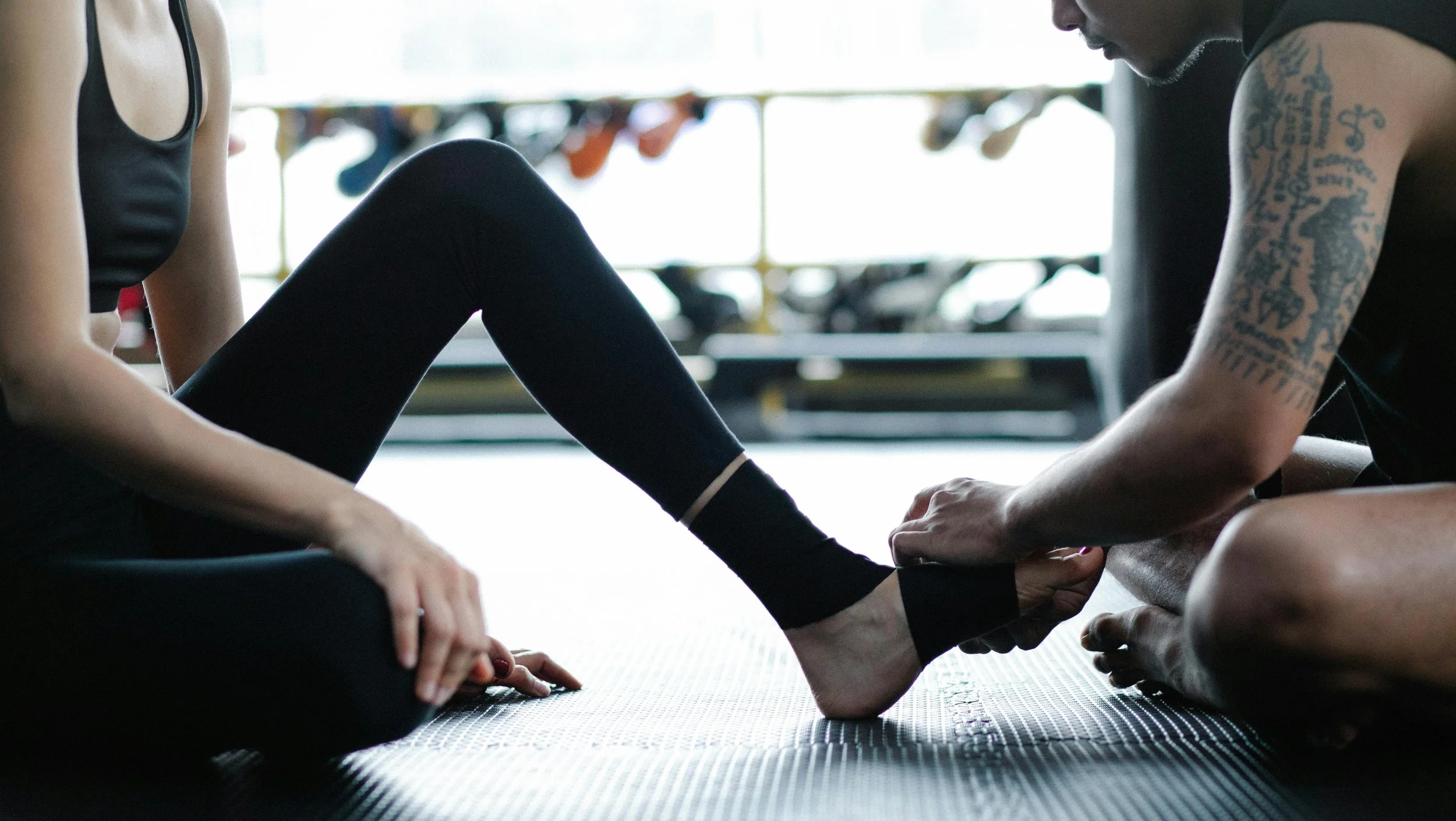
While rest is important after an ankle sprain, it doesn’t address underlying weaknesses. To fully recover, dancers need strengthening for the foot and ankle muscles, balance and control practice, gradual return to jumps and turns, as well as enough strength from the core and hips. Without these, the ankle may feel fine at rest but remain unstable during dance.
Preventing Ankle Instability
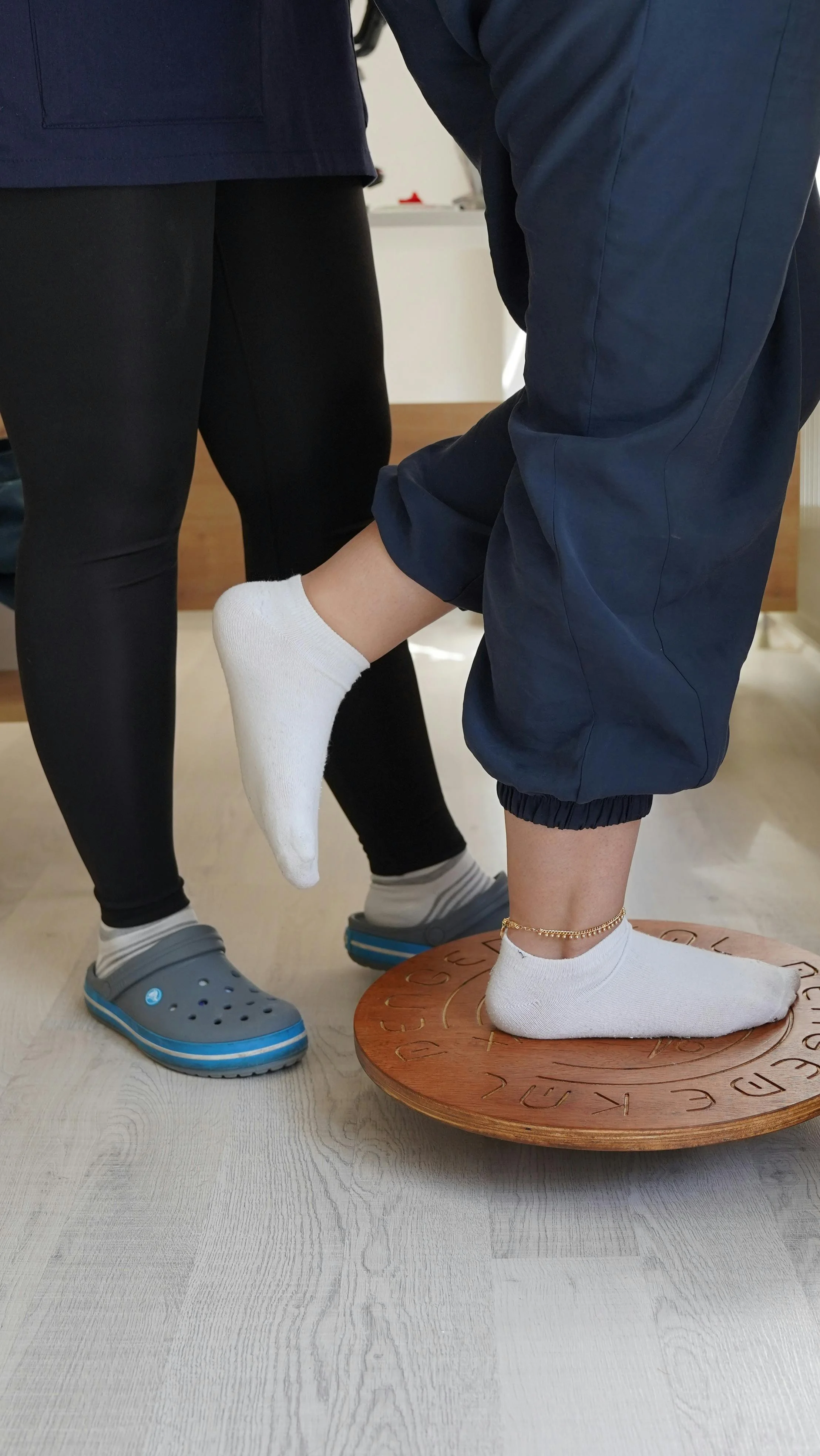
Prevention focuses on improving control and strength in complex movements. Dancers benefit from exercises that target the foot, ankle, hips, and core, combined with controlled single-leg balance and stability work.
Prevention also means being aware of pain and knowing when to stop or modify movements. Listening to the body, addressing discomfort early, and adjusting training as needed are just as important as strengthening exercises for keeping dancers active and reducing the risk of ankle instability and other future injuries.
When to Seek Help
It’s time to consult a physiotherapist if pain lasts more than a few days and returns with activity, causes limping or compensations, or leads to hesitation in movement. Early guidance can shorten recovery time and prevent long-term problems.
At Cadence Physiotherapy, I work with dancers to assess ankle stability, identify contributing factors, and create individualized recovery and prevention plans. Cadence Physiotherapy is located in Scarborough, ON, and proudly serves dancers from Scarborough, The Beaches, Upper Beaches, and Kingston Road Village.
If your dancer is struggling with repeated ankle injuries or instability, physiotherapy can help them return to class safely and confidently.
Next on your reading list:
1) The Dancer’s Guide to Training Through Minor Pain (And When to Stop)
2 Returning to Dance After Injury: A Step-by-Step Recovery Timeline
