
Back Pain During Pregnancy: Safe Ways to Find Relief
by Manisha Wijayanayagam, Physiotherapist and Pelvic Health Provider
Back pain during pregnancy is one of the most common complaints among expecting mothers. In fact, the majority of pregnant women experience some level of discomfort in their lower back, hips, or pelvis at some point during their pregnancy. As your body changes to support your growing baby, your spine, muscles, and joints are placed under increasing stress.
The good news? Back pain during pregnancy is common—but it is also manageable. With the right strategies and support, including prenatal physiotherapy, you can reduce discomfort safely and effectively.

Why Back Pain Happens During Pregnancy
Pregnancy brings rapid physical and hormonal changes that affect your musculoskeletal system.
1. Postural Changes
As your baby grows, your center of gravity shifts forward. To compensate, many women lean backward slightly, increasing the curve in the lower spine (lumbar lordosis). This added pressure can be uncomfortable for the muscles and joints in the lower back.
2. Hormonal Changes
Relaxin is a hormone that helps loosen ligaments in the pelvis to prepare for childbirth. While necessary, this slight increase in joint laxity can reduce stability in the pelvis and spine, leading to discomfort or pelvic girdle pain.
3. Abdominal Muscle Stretching
As the uterus expands, the abdominal muscles stretch and may weaken. Since these muscles help support the spine, reduced strength can contribute to lower back pain.
4. Increased Weight Load
The additional weight of pregnancy places extra strain on the spine, especially if posture and core strength are not optimized.
Types of Pregnancy-Related Back Pain
Understanding the type of pain you’re experiencing can help guide treatment.
Lower Back Pain: Typically felt in the lumbar area and may worsen after prolonged standing or sitting.
Pelvic Girdle Pain (PGP): Felt around the sacroiliac joints, hips, or pubic bone. It may cause difficulty walking, climbing stairs, or turning in bed.
Sciatic Pain: Sharp, shooting pain that radiates down one leg due to nerve irritation.
Each type responds well to targeted, pregnancy-safe physiotherapy interventions.
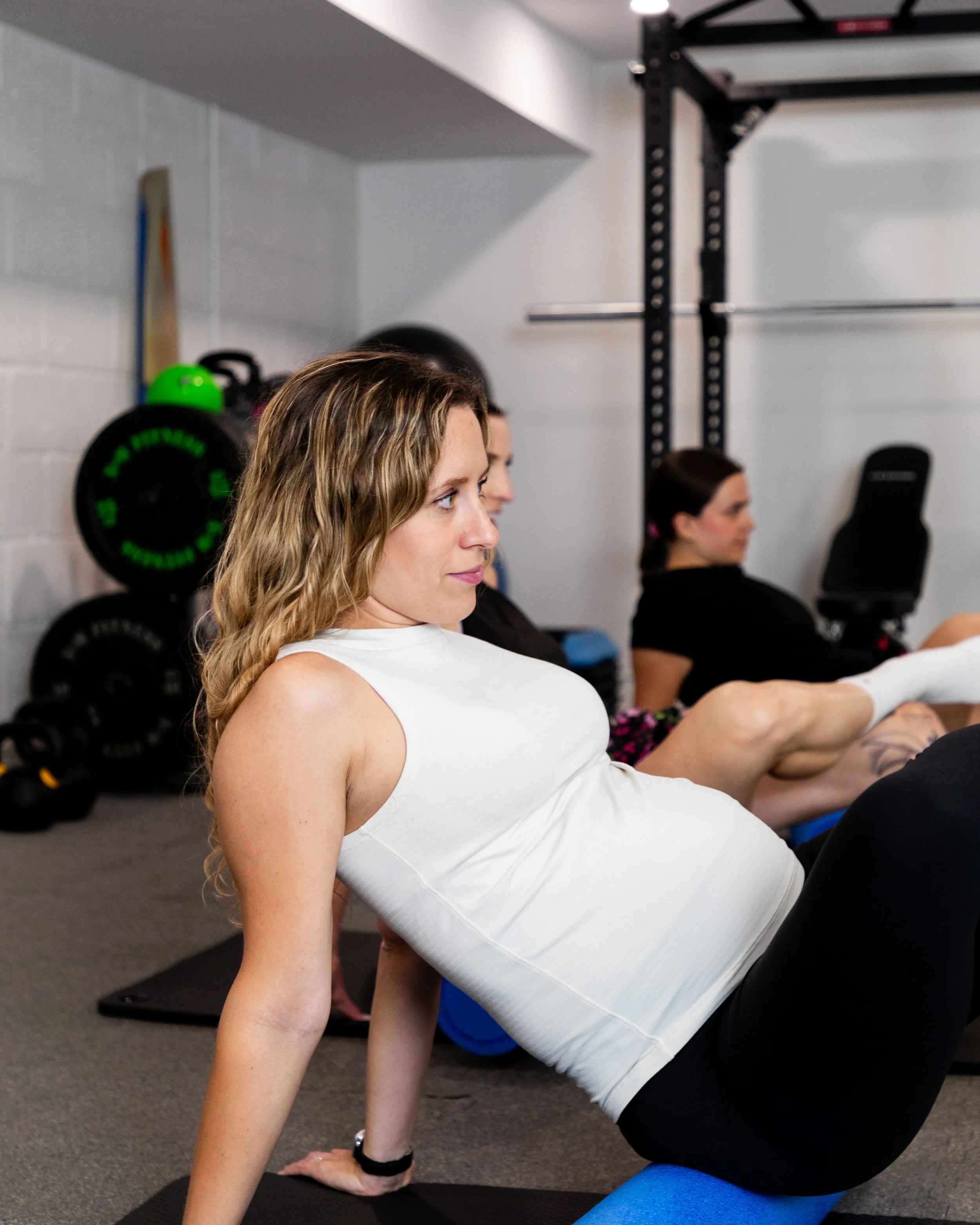
Safe and Effective Ways to Relieve Back Pain
1. Prenatal Physiotherapy
Prenatal physiotherapy is one of the most effective and evidence-based ways to manage pregnancy-related back pain. A trained physiotherapist assesses posture, muscle imbalances, joint mobility, and pelvic alignment.
Treatment may include:
Gentle manual therapy
Pelvic stabilization exercises
Core strengthening
Postural correction
Movement retraining for daily activities
Physiotherapy not only reduces pain but also improves strength and prepares your body for labor and postpartum recovery.
2. Targeted Strengthening Exercises
Safe core and glute strengthening throughout pregnancy can significantly reduce strain on the lower back.
Beneficial exercises may include:
Pelvic tilts
Modified side planks
Bird-dog (with proper guidance)
Glute bridges
Deep abdominal activation (transverse abdominis work)
It’s important to consult with a healthcare provider or pelvic floor physiotherapist before beginning any exercise program.
3. Improve Posture and Body Mechanics
Small daily adjustments can make a big difference.
Avoid locking your knees when standing.
Keep shoulders relaxed and aligned over hips.
Use a small pillow to support your lower back when sitting.
When lifting, squat down and use your legs instead of bending forward.
A physiotherapist can teach you pregnancy-specific movement strategies to reduce strain during daily tasks.
4. Sleep Position Modifications
Sleeping on your side with a pillow between your knees helps keep the pelvis aligned. Many women benefit from a full-length pregnancy pillow to support the abdomen and lower back.
If turning in bed is painful, try keeping your knees together and engaging your core gently as you roll.
5. Heat and Gentle Stretching
Applying a warm compress to the lower back for 10–15 minutes can help relax tight muscles. Gentle stretches such as child’s pose (modified), hip flexor stretches, and seated piriformis stretches can reduce tension.
Avoid deep or aggressive stretching, as pregnancy hormones already increase ligament flexibility.
6. Support Belts
A maternity support belt can help stabilize the pelvis and reduce pressure on the lower back during walking or prolonged standing. However, belts should complement—not replace—strengthening exercises.
When to Seek Professional Help
While mild back discomfort is common, you should consult a healthcare professional if:
Pain is severe or worsening
You experience numbness or tingling
Walking becomes very difficult
Pain interferes significantly with sleep
You have concerns about pelvic instability
Early intervention often leads to faster relief and prevents long-term issues postpartum.

Back pain during pregnancy may be common, but it should not be something you simply “push through.” Your body is undergoing remarkable changes, and it deserves proper support.
Safe, targeted strategies—especially prenatal physiotherapy—can significantly reduce discomfort, improve mobility, and help you feel stronger and more confident throughout your pregnancy journey.
If you’re experiencing persistent back pain, consider speaking with a prenatal physiotherapist who can create a personalized plan tailored to your changing body. Relief is possible, and you don’t have to navigate pregnancy discomfort alone.
