
Surviving Toronto Winter: 5 Ways to Avoid Slip-and-Fall Injuries in Scarborough
by Manisha Wijayanayagam, Physiotherapist and Pelvic Health Provider

Toronto winters are beautiful—but also unpredictable, icy, and sometimes dangerous. Every year, physiotherapists see a spike in injuries caused by slips and falls on snow- and ice-covered surfaces. These injuries can range from mild bruises and muscle strains to more serious sprains, fractures, and concussions. With a proactive approach and a bit of preparation, most slip-and-fall injuries are entirely preventable. Here are five physiotherapist-approved strategies to help you stay safe this winter.
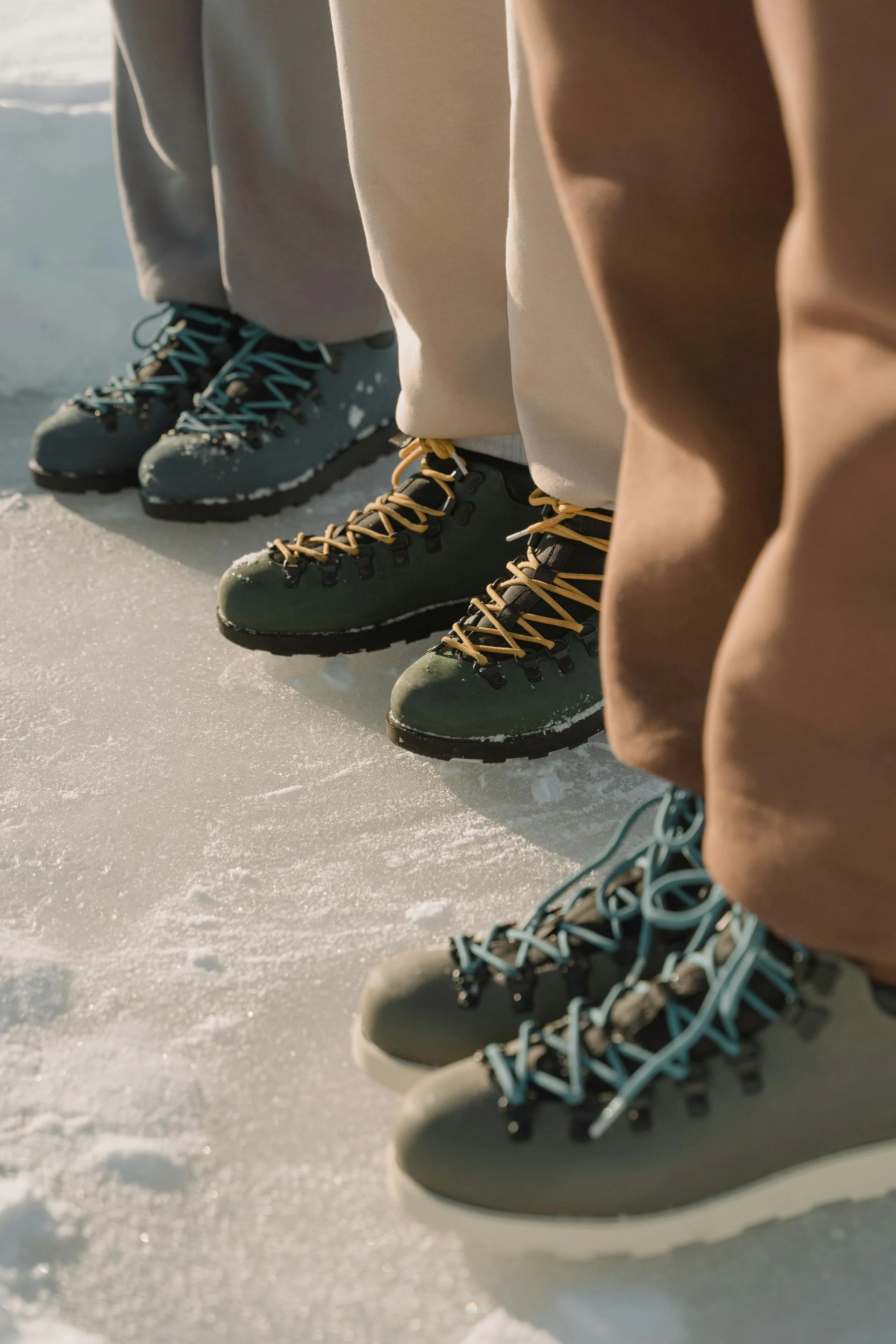
1. Choose the Right Footwear
Your shoes are your first line of defence against icy sidewalks. Poor tread or smooth soles drastically increase your risk of slipping. In winter, opt for:
Boots with deep, non-slip treads designed for winter traction
Flat, wide soles that increase contact with the ground
Materials that remain flexible in the cold, unlike hard rubber that becomes slippery
Removable ice grips or cleats for particularly bad days
Remember that style doesn’t trump safety—high-heeled or smooth-soled boots are a recipe for disaster on frozen surfaces. Before heading out, check your boot soles for wear and tear.
2. Walk “Like a Penguin”
It may sound funny, but penguins are experts at navigating ice. Their walking style is biomechanically stable, and adopting it can significantly reduce your chances of falling.
To “walk like a penguin”:
Keep your centre of gravity over your front leg
Take short, shuffling steps instead of long strides
Keep your feet slightly turned out
Walk slowly and deliberately, especially on untreated sidewalks
This technique shifts your weight forward and reduces the chance of your feet sliding out from under you.
3. Stay Strong and Keep Your Balance Sharp
Strength and balance are crucial for preventing falls year-round, but especially in winter. Slippery surfaces challenge your body’s stability—if your balance is compromised or your lower body muscles are weak, recovering from a slip becomes much harder.
Consider incorporating:
Balance exercises such as single-leg stands, heel-to-toe walking, or using a balance board
Lower body strengthening (squats, lunges, step-ups)
Core exercises (planks, bridges) to support your overall stability
If you’re unsure where to start or have existing injuries, a physiotherapist can develop a safe and individualized home exercise program.
4. Use Assistive Devices—Even Temporarily
There is no shame in using support if you feel unsteady. Toronto sidewalks can stay icy for days, and even confident walkers may need added stability during extreme weather.
Consider:
A walking pole or cane with an ice pick attachment
Handrails when navigating outdoor steps
Keeping hands out of your pockets so you can use your arms for balance
Even carrying too many bags can throw off your balance—divide weight between hands or use a backpack to keep your hands free.
5. Be Mindful of Hidden Hazards
Not all ice is obvious. Black ice, snow-covered curbs, and uneven pavement can all surprise even the most careful walkers.
To stay alert:
Test suspicious surfaces before committing your full weight
Use pathways that are well-lit and frequently salted
Step carefully when exiting cars or public transit—these areas are often the slipperiest
Keep your entryway at home free of melted snow puddles, which can be just as hazardous indoors
Taking a few extra seconds to assess your surroundings can prevent weeks—or months—of recovery from a preventable injury.

Stay Safe and Active This Winter
Toronto winters will always bring ice and snow, but slip-and-fall injuries don’t have to be inevitable. With proper footwear, mindful walking strategies, good strength and balance, and awareness of winter hazards, you can stay safe and enjoy the season. If you’ve recently had a fall or feel uncertain about your balance, our physiotherapy team is here to help with assessment, treatment, and personalized prevention plans.
Stay warm, stay cautious, and stay upright this winter!
