
The Pre-Pointe Checklist: Is Your Dancer Pointe Ready?
by Eleni Boosalis, Physiotherapist
Starting pointe work is an exciting milestone in a dancer’s journey. For many young dancers, it represents years of hard work and dedication finally paying off. For parents, however, it can also raise an important question: Is my dancer truly ready for pointe?
As a physiotherapist who works closely with dancers, and as a former pre-professional ballet dancer myself, I’ve seen how important proper preparation is before beginning pointe work. Pointe places significant demands on a dancer’s body, and starting too early or without the right physical readiness can increase the risk of injury.
Let’s break down what “being ready for pointe” actually means and what to look for before you or your dancer takes this next step.
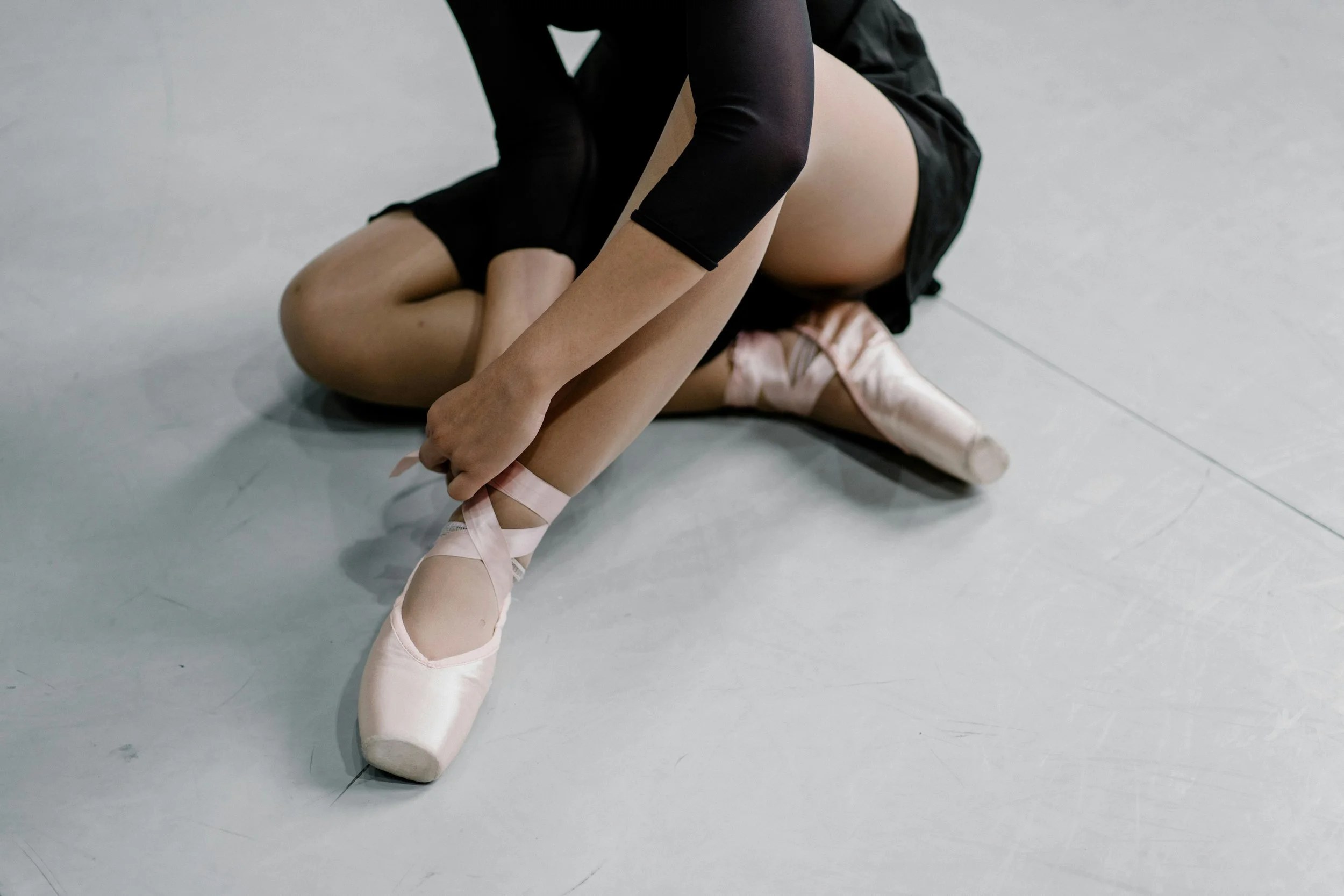
What Does “Pre-Pointe Ready” Really Mean?
It is common for dancers to begin training for pointe work around ages 12–13 because the growth plates in the feet typically fuse between the ages of 8-14. Starting pointe before this process is complete can increase the risk of injury to the feet. It is also important for dancers to have several years of consistent ballet training to help build the strength and technique needed for the added demands of pointe work.
However, age and years of training alone don’t tell the whole story. Being pre-pointe ready means a dancer has the strength, control, mobility, and alignment needed to safely support their body weight in pointe shoes.
Key Physical Requirements for Pointe Work
1. Ankle and Foot Strength
Strong feet and ankles are essential for pointe work. Dancers need the ability to control their rise onto pointe and lower back down with stability. Weakness in this area can lead to ankle sprains, tendon irritation, or foot pain.
2. Adequate Ankle Mobility
While strength is critical, dancers also need enough ankle mobility (pointing ability) to achieve proper alignment over the box of the shoe. Limited mobility can cause dancers to “sickle” or compensate in unsafe ways.
3. Core and Hip Stability and Alignment
Pointe work doesn’t just happen at the feet. Strong hips and core muscles help dancers maintain balance, control turnout, and keep proper alignment from the pelvis all the way down to the toes. Poor alignment under load can place unnecessary stress on growing bones and joints, increasing injury risk.
4. Balance and Control
A dancer should be able to demonstrate good single-leg balance and controlled movements at the barre and in centre. Pointe often magnifies underlying balance and control issues, which is why this is an important consideration when determining readiness for pointe work.
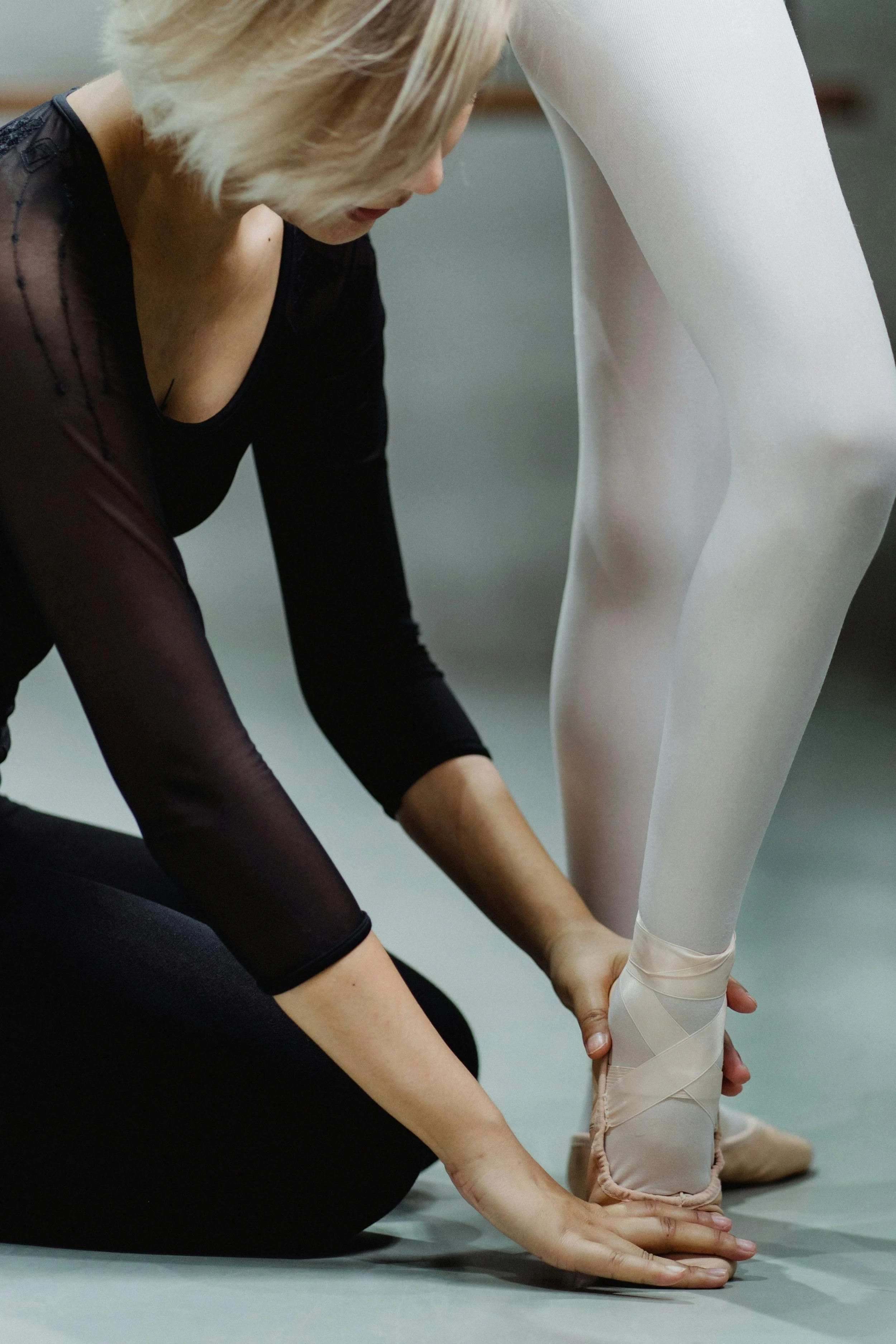
Common Red Flags Parents Should Watch For
Even talented dancers may not be physically ready for pointe yet. Some warning signs include:
Frequent ankle sprains or foot pain
Difficulty maintaining balance on one leg
Knees collapsing inward or feet “rolling in” during pliés
Struggling to control rises and relevés at the barre or in the centre
These signs don’t mean a dancer will never be ready. It may simply mean they need more time or specific strengthening first.
Why a Pre-Pointe Assessment Matters
A pre-pointe assessment helps determine whether a dancer’s body is ready for the increased demands of pointe work and identifies areas that may need strengthening or mobility work before starting. Every dancer is different, and assessments ensure that recommendations are tailored to their anatomy and current abilities.
At Cadence Physiotherapy, I work with dancers of all ages and levels, offering dancer-specific assessments to guide a safe transition to pointe. Cadence Physiotherapy is located in Scarborough, ON, and proudly serves dancers from Scarborough, The Beaches, Upper Beaches, and Kingston Road Village.
If your dancer is considering pointe, a pre-pointe assessment can provide clarity and peace of mind. I’d be happy to help guide your dancer through this exciting next step.
