
The Dancer’s Guide to Training Through Minor Pain (And When to Stop)
by Eleni Boosalis, Physiotherapist
Pain is something many dancers and parents quietly accept as “part of dance”. With all the sore feet, tight hips and general aches, it may be hard to know what’s normal and what’s a warning sign. The truth is, not all pain is the same, and understanding the difference is key to keeping dancers healthy and dancing long-term.
As a physiotherapist who works with dancers and as a former competitive dancer, I’ve seen how everyday dance-related aches and pains are often ignored, sometimes leading to more significant injuries over time. This guide will help you understand when it’s okay to keep training and when it’s time to stop and seek help.
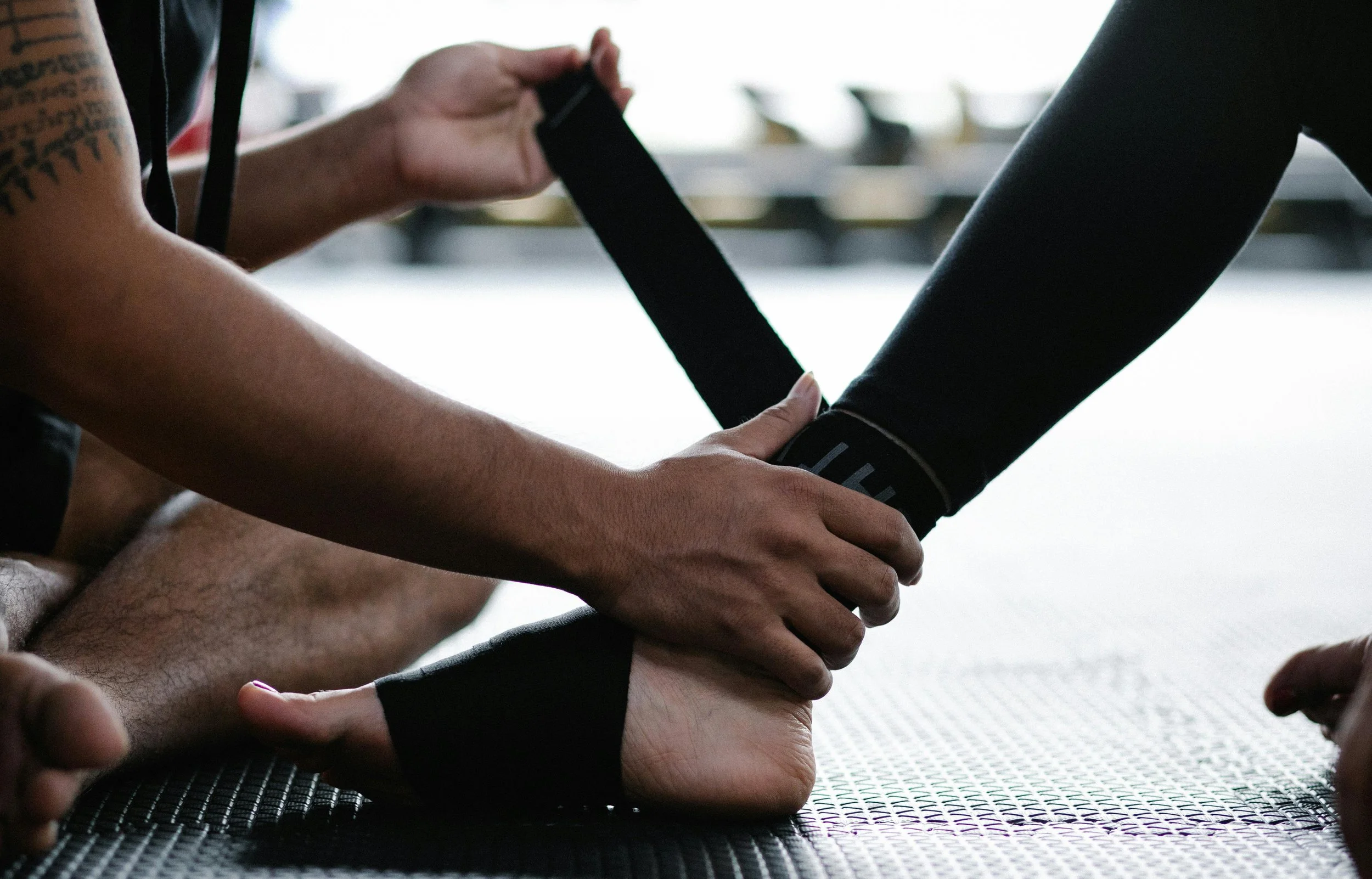
Understanding the Difference Between Discomfort and Pain
Not all sensations during dance mean something is wrong. Mild muscle soreness, stiffness after class, or fatigue that improves with rest is often a normal response to training. This type of discomfort usually feels even on both sides of the body and doesn’t worsen as class goes on.
Pain, on the other hand, is different. Sharp, pinching, or catching sensations, pain that increases during class, or significant discomfort that lingers into the next day could signal irritation or injury. Pain that causes a dancer to compensate or change their technique is important to pay attention to.
When It May Be Okay to Keep Training (With Modifications)
In some cases, dancers can continue training safely with small adjustments. This may include reducing intensity, limiting certain movements, marking choreography, or focusing on barre work instead of centre or jumps. The key is that symptoms remain mild, manageable, and do not worsen over time.
Training with minor discomfort should always feel controlled and should never involve pushing through sharp or increasing pain.
When a Dancer Should Stop and Seek Help
Pain should not be ignored when it:
Gets worse during or after class
Persists for several days
Is localized to one side of the body
Affects technique, balance, or confidence
Causes fear or hesitation with movement
These signs suggest that the body may be overloaded or compensating, increasing the risk of a more serious injury if training continues unchanged.
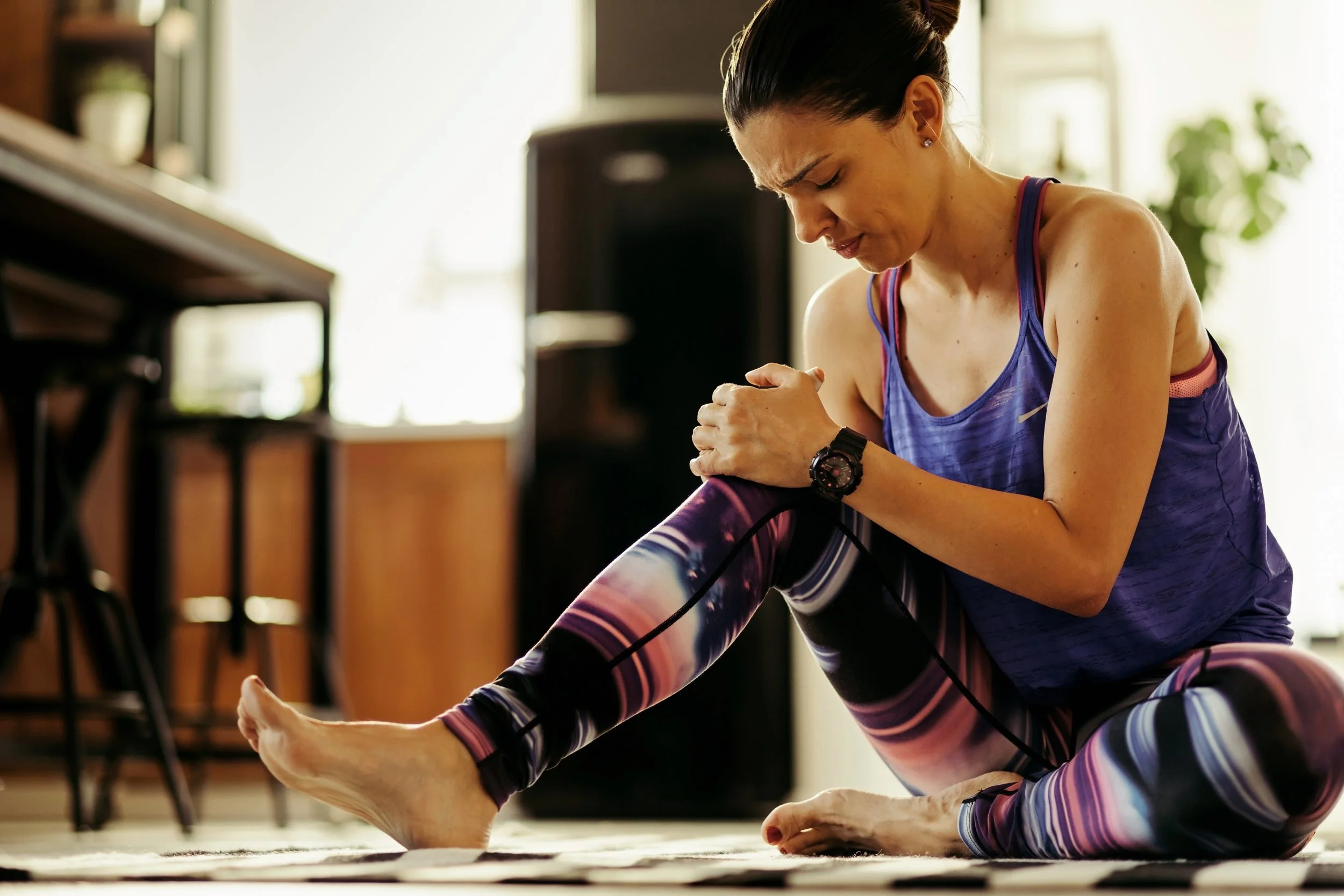
Why Early Assessment Matters
Addressing pain early doesn’t mean taking long breaks from dance. In fact, early assessment often allows dancers to continue training safely with the right modifications, while addressing the root cause of the issue and preventing more serious injury.
At Cadence Physiotherapy, I work with dancers of all ages and levels to manage pain, prevent injury, and guide safe training decisions. Cadence Physiotherapy is located in Scarborough, ON, and proudly serves dancers from Scarborough, The Beaches, Upper Beaches, and Kingston Road Village.
If your dancer is experiencing ongoing pain or you’re unsure whether they should continue training, a physiotherapy assessment can help support a strong, healthy dance career.
