New Parents' Guide: Postpartum Physiotherapy and Massage Therapy in Toronto
by Manisha Wijayanayagam, Physiotherapist and Pelvic Health Provider
Welcoming a new baby is an exciting and transformative time. Along with the joy and wonder, many new mothers are surprised by how much their bodies have changed during pregnancy, labour, and delivery. Postpartum physiotherapy and massage therapy can play a key role in recovery, helping you feel stronger, more comfortable, and confident as you adjust to life with your newborn.

Understanding the Postpartum Body
Pregnancy and childbirth place significant demands on the body. Muscles and joints adapt to support a growing baby, posture shifts, hormones affect tissue flexibility, and the pelvic floor works overtime. After delivery—whether vaginal or by C-section—many moms experience symptoms such as back or pelvic pain, abdominal weakness, pelvic floor concerns, wrist or shoulder discomfort from feeding and carrying their baby, and general fatigue.
Postpartum rehabilitation is not just about “bouncing back.” It’s about restoring function, preventing future issues, and supporting your long-term health so you can enjoy this new chapter with less pain and more confidence.
Goals of Postpartum Physiotherapy
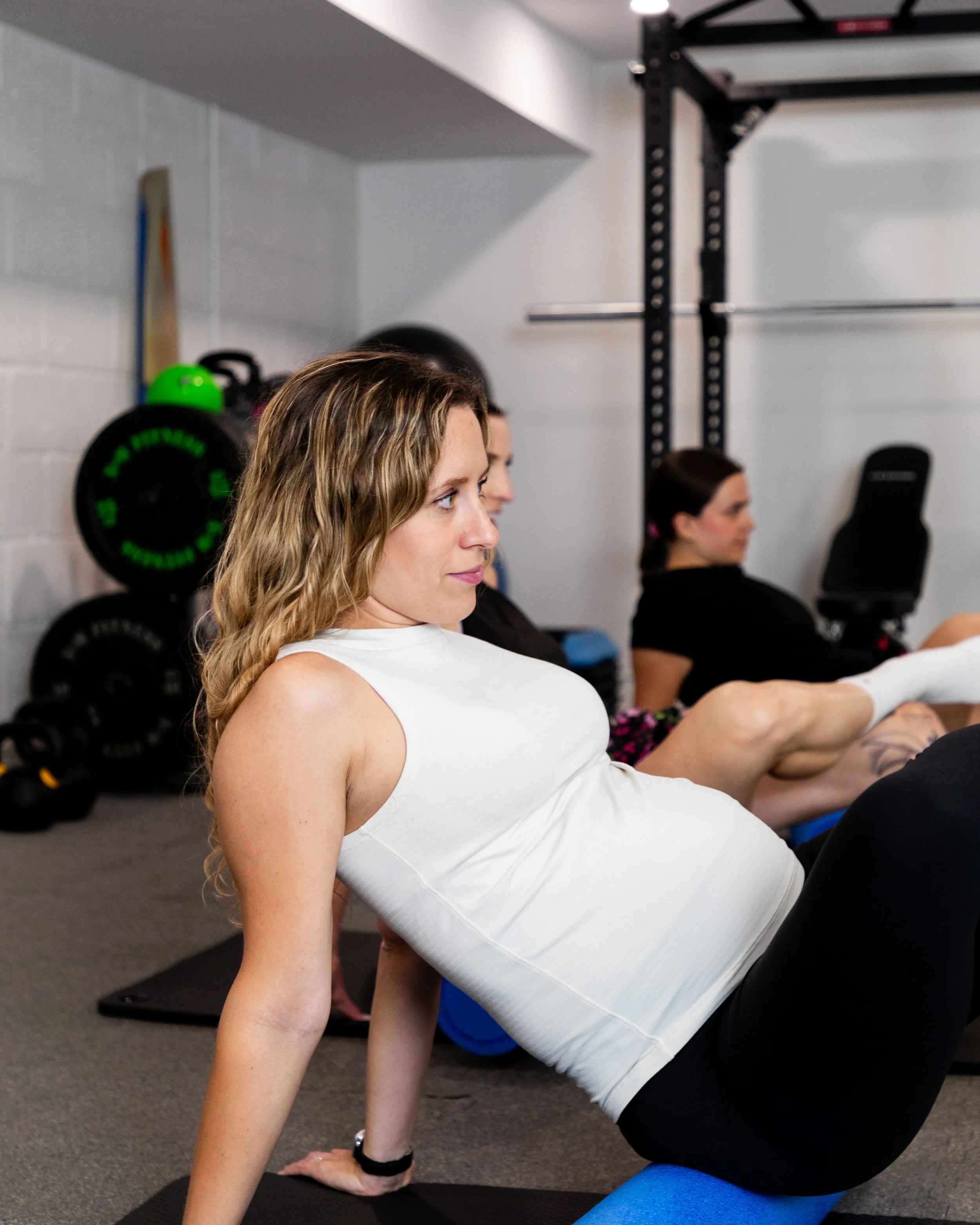
Postpartum physiotherapy focuses on restoring strength and mobility after pregnancy and birth. A physiotherapist with postpartum training will assess how your body is healing and create a personalized plan based on your goals, symptoms, and delivery experience.
Key goals of postpartum physiotherapy include:
Pelvic floor recovery: Pregnancy and delivery can weaken or overstrain the pelvic floor. Physiotherapy can help address issues such as urinary or fecal leakage, pelvic heaviness, pain with intercourse, or difficulty returning to exercise.
Core and abdominal rehabilitation: Many new parents experience abdominal separation (diastasis recti) or deep core weakness. Targeted exercises help rebuild strength and support proper movement.
Pain management: Low back pain, pelvic girdle pain, hip discomfort, and tailbone pain are common postpartum concerns that physiotherapy can help relieve.
Postural support: Feeding, rocking, and carrying a baby can strain the neck, shoulders, and upper back. Physiotherapy helps improve posture and movement strategies for daily tasks.
Safe return to activity: Whether your goal is walking comfortably, lifting your baby with ease, or returning to higher-level exercise, physiotherapy can provide guidance on when and how to safely progress.
Postpartum physiotherapy is appropriate at many stages—early after birth, months later, or even years postpartum if symptoms persist.
Benefits of Postpartum Massage Therapy
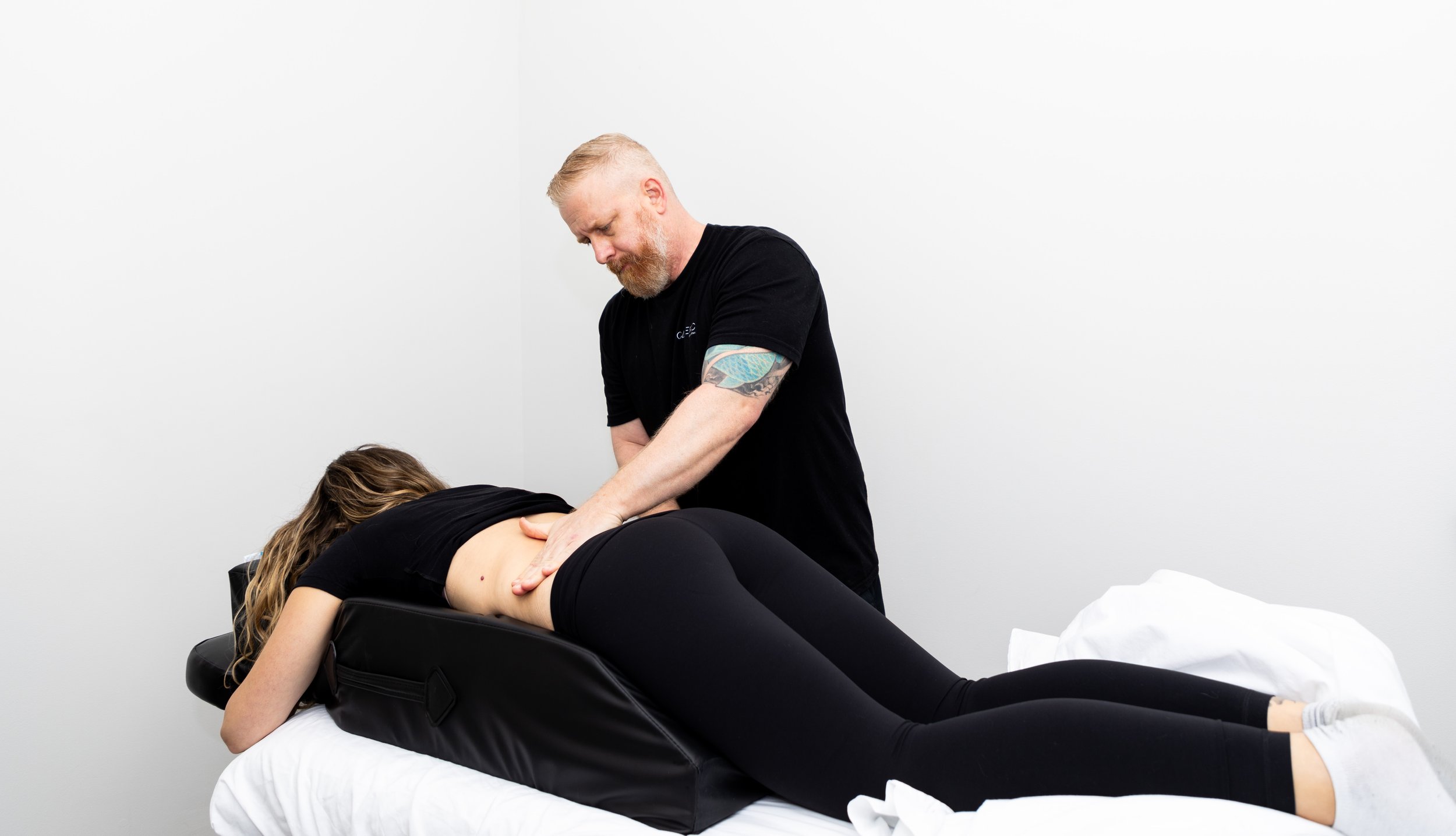
Massage therapy is a wonderful complement to physiotherapy and offers both physical and emotional benefits during the postpartum period. Caring for a newborn is physically demanding, and massage provides dedicated time for relaxation and recovery.
Benefits of postpartum massage therapy include:
Muscle tension relief: Massage can ease tightness in the neck, shoulders, back, hips, and arms caused by feeding, lifting, and prolonged holding positions.
Improved circulation: Enhanced blood flow supports tissue healing and may help reduce swelling.
Stress reduction: Postpartum life is often overwhelming. Massage promotes relaxation and supports mental well-being during a time of major adjustment.
Pain reduction: Gentle, targeted techniques can help decrease aches and discomfort associated with postpartum recovery.
Better sleep and recovery: Relaxation from massage may improve sleep quality and overall energy levels.
Massage therapists trained in postpartum care are mindful of healing tissues, C-section scars, and individual comfort levels, ensuring treatment is both safe and supportive.
How Physiotherapy and Massage Work Together
While physiotherapy and massage therapy may have different focuses, they work exceptionally well together. Physiotherapy addresses strength, movement patterns, and functional recovery, while massage therapy helps reduce muscle tension, manage stress, and improve overall comfort.
For example, massage may help calm tight muscles and reduce pain, making it easier to perform physiotherapy exercises effectively. Together, these therapies support a more complete and balanced recovery.
Investing in Your Recovery
Caring for your body after childbirth is not a luxury—it’s an investment in your health, confidence, and ability to care for your growing family. Postpartum physiotherapy and massage therapy can help you move with less pain, feel stronger, and enjoy daily activities with greater ease.
Whether you’re newly postpartum or have been managing lingering symptoms for some time, it’s never too late to seek support. Your body has done something incredible, and it deserves care, patience, and expert guidance as it heals.
If you’re ready to prioritize your recovery, our team is here to support you every step of the way.
