acupuncture & dry needling in toronto, scarborough & the upper beaches
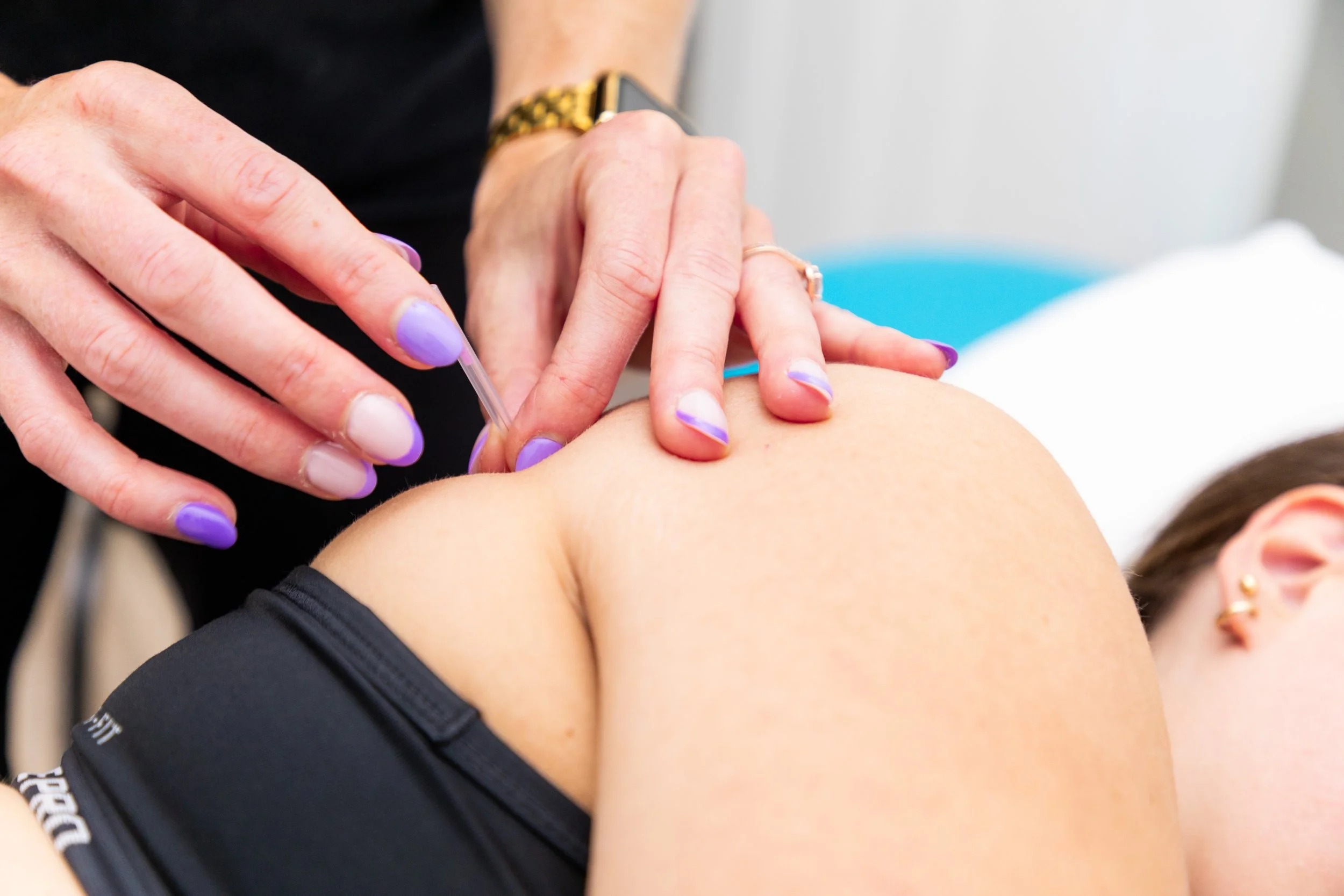
At Cadence Physiotherapy, we offer acupuncture and dry needling to help manage muscle tension, recurring pain, and movement restrictions. As part of a broader rehabilitation approach, these treatments may help relieve discomfort and support recovery from injuries, helping you move and feel better.
targeted treatment for pain, tension and recovery
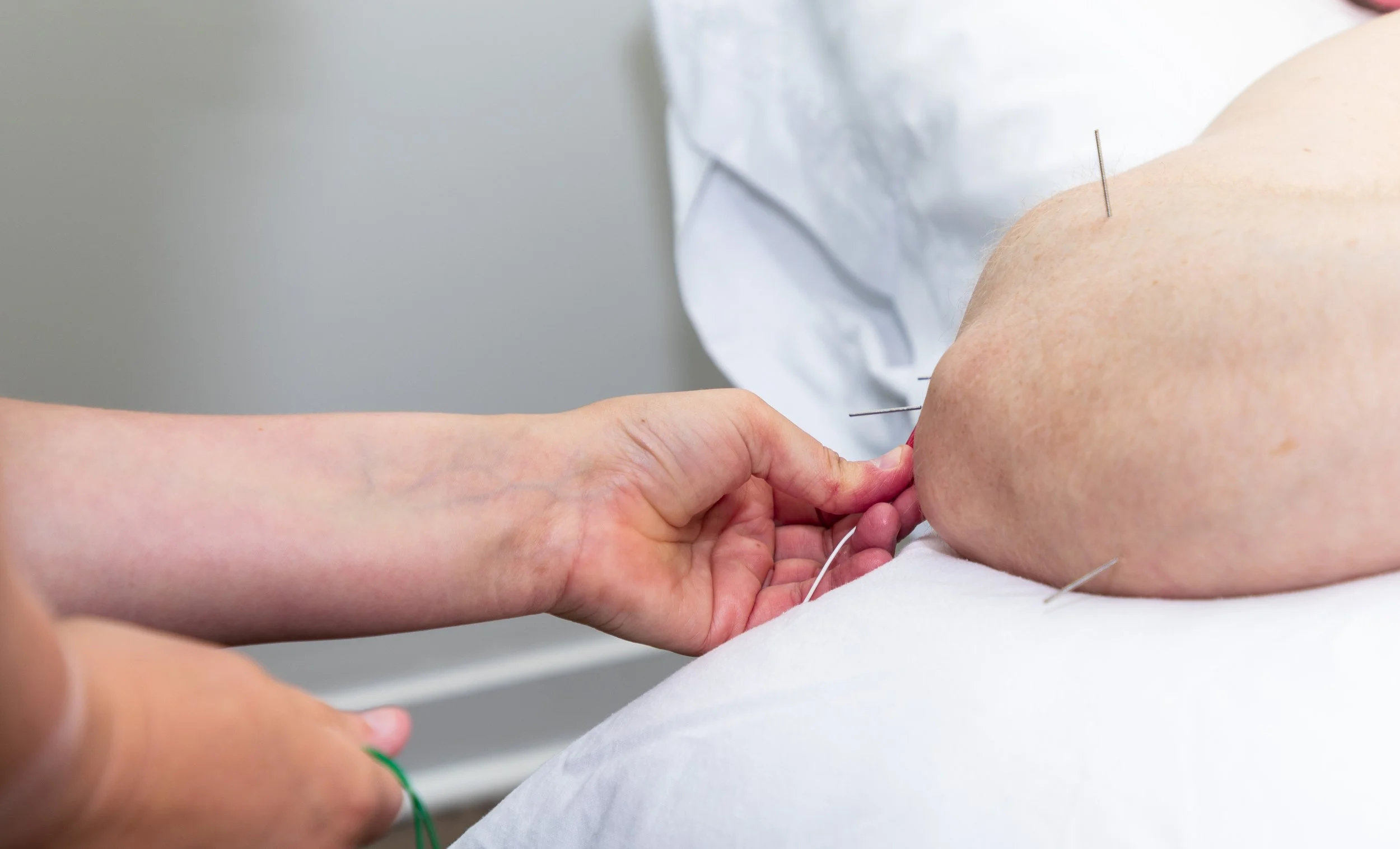
Acupuncture is a treatment that involves inserting thin, sterile needles into selected points on the body. It may be used to help manage certain types of pain and discomfort by influencing the body's nervous system and pain-processing responses.
Research suggests that acupuncture may provide relief for some musculoskeletal conditions, including certain forms of back and neck pain, knee osteoarthritis, and headaches. However, results vary depending on the condition and individual response.
At Cadence, acupuncture may be incorporated into a physiotherapy or other appropriate treatment plan, depending on your symptoms and goals.
electroacupuncture
In some cases, acupuncture may be combined with gentle electrical stimulation applied through the needles.
Known as electroacupuncture, this approach provides additional stimulation to the treated area and may be considered when appropriate for the patient's condition and treatment goals.
what is acupuncture and how does it work?
what is dry needling?
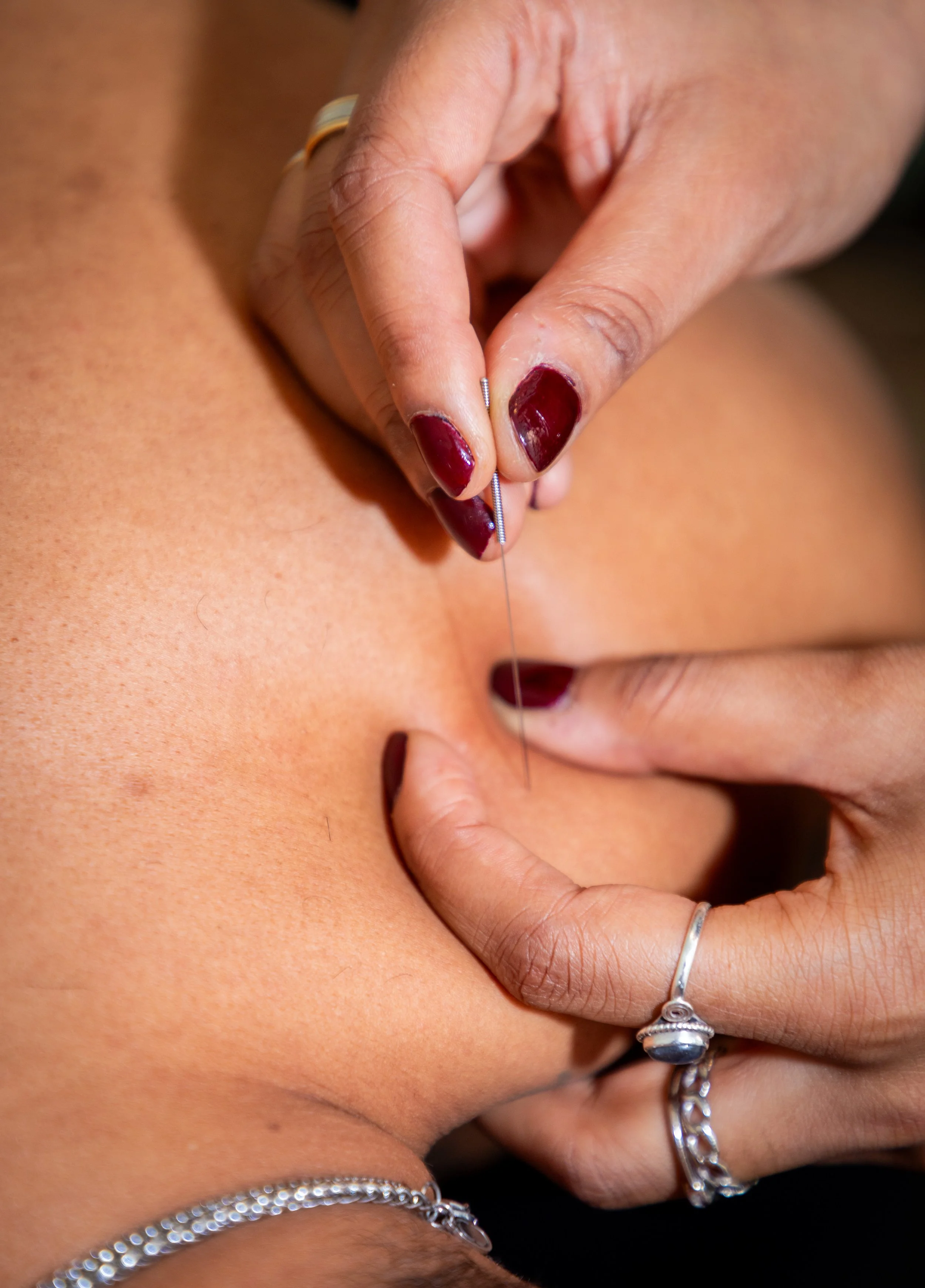
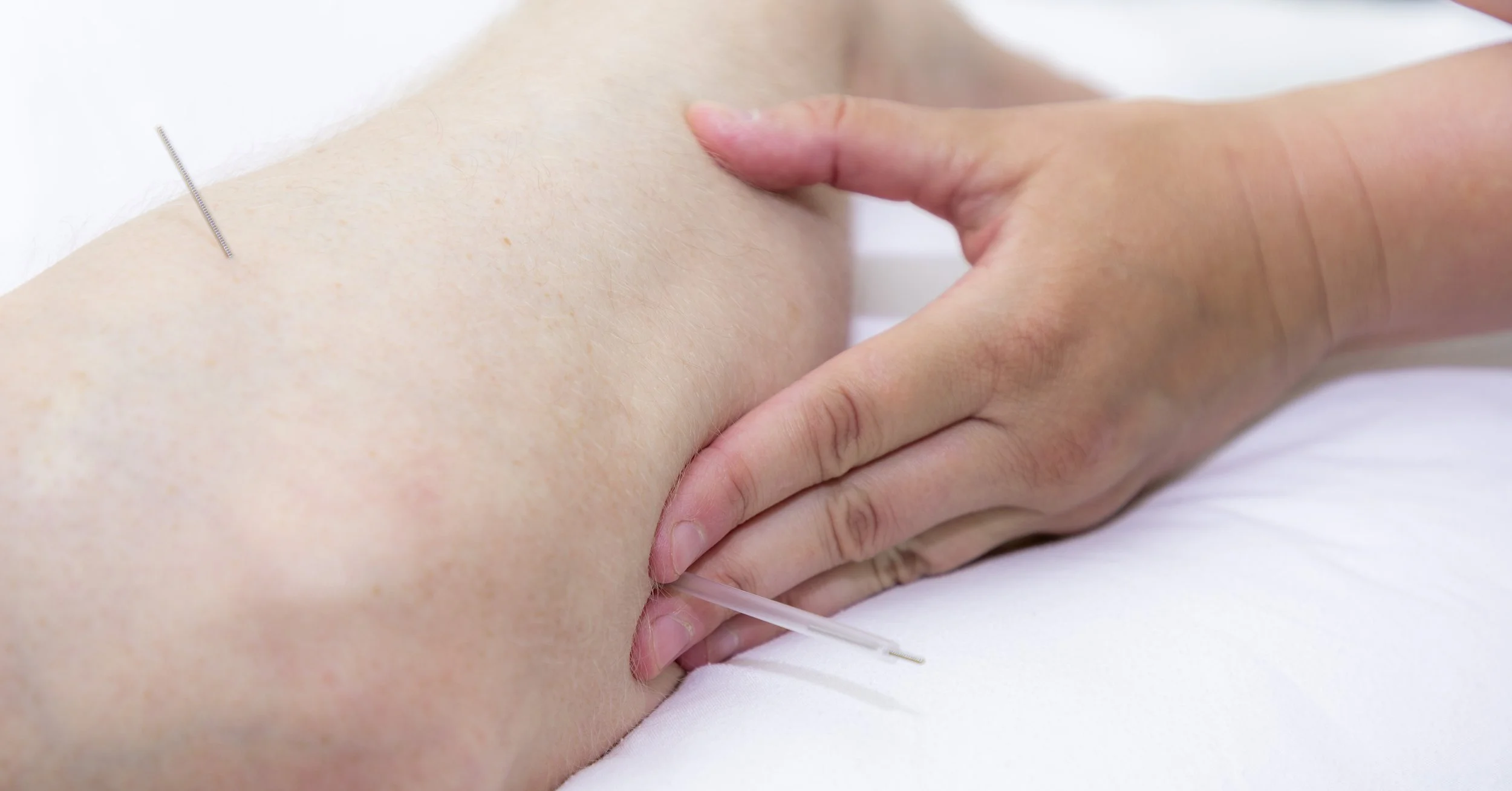
Dry needling is a treatment technique that uses thin, sterile needles to target specific areas of muscle tissue, often referred to as trigger points.
These areas may be associated with muscle tightness, tenderness, or discomfort that affects how you move.
By stimulating targeted muscle tissue, dry needling may help reduce pain and improve movement tolerance in some patients. It is commonly considered as one component of rehabilitation rather than a stand-alone solution.
At Cadence, dry needling may be used alongside exercise-based rehabilitation, manual therapy, and other treatments to address muscle-related discomfort and movement limitations.
dry needling vs acupuncture: what's the difference?
-
Focus: Selected treatment points along meridians (energy channels) based on the practitioner's assessment and clinical approach.
Common applications: Certain pain conditions, headaches, muscle discomfort, and symptom management.
Treatment approach: Thin filament needles are inserted at selected points and may sometimes be combined with electrical stimulation.
-
Focus: Specific muscles and areas of sensitivity, including myofascial trigger points.
Common applications: Muscle-related discomfort, localized tension, and movement restrictions.
Treatment approach: Thin filament needles are used to stimulate a contraction in a targeted muscle tissue as part of a broader rehabilitation plan.
-
Both techniques may be considered for certain musculoskeletal concerns, and there can be overlap in how they are performed.
Your practitioner will assess your symptoms, discuss your treatment options, and recommend an approach based on your needs, preferences, and clinical findings.
Although both treatments use thin filament needles, they differ in their treatment approach, the areas being targeted, and how they are incorporated into a care plan.
what can acupuncture & dry needling help with?
Needling treatments may be recommended for certain pain and musculoskeletal concerns, particularly when used alongside other approaches such as physiotherapy and exercise.
-
Acupuncture may help reduce certain types of back and neck pain. Your practitioner can assess whether needling is a suitable addition to your overall treatment plan.
-
Dry needling may be considered for localized muscle discomfort, sensitive trigger points, and muscular tightness that affects movement.
-
For runners, lifters, recreational athletes, and active adults, needling may be used alongside rehabilitation to help manage certain symptoms during recovery.
-
Acupuncture may be useful for some headache conditions and certain types of persistent musculoskeletal pain. Assessment is important to determine whether treatment is appropriate.
Both treatments may offer benefits for selected patients, particularly when symptoms are affecting comfort, activity, or recovery.
benefits of acupuncture and dry needling
Acupuncture may help reduce pain associated with some musculoskeletal conditions, while dry needling may be useful for certain muscle-related symptoms.
support pain management
Targeted needling techniques may help manage areas of muscular tenderness and tightness that contribute to discomfort.
reduce muscle-related discomfort
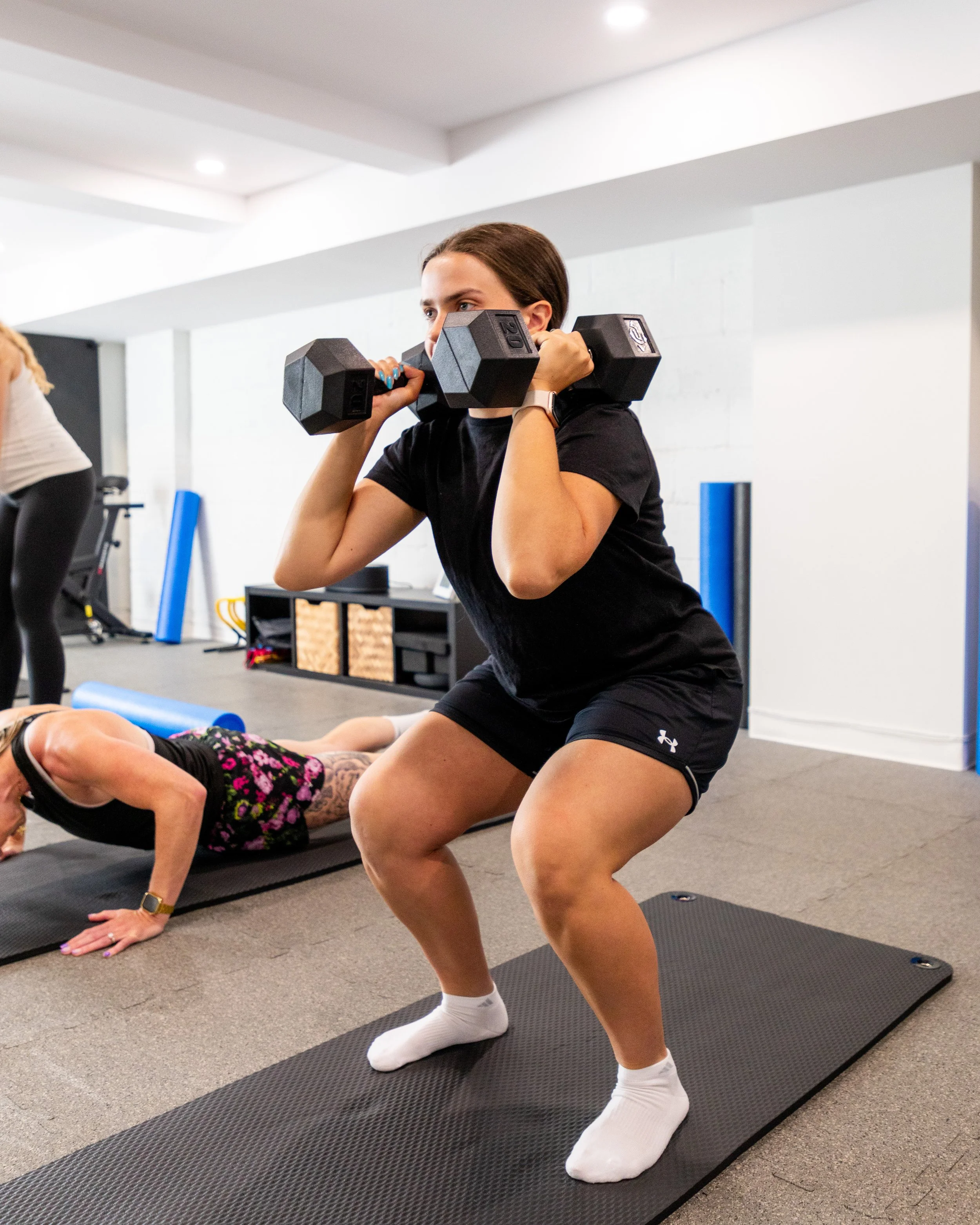
Needling can be incorporated alongside exercise, education, hands-on treatment, and other rehabilitation approaches when clinically appropriate.
complement your recovery plan
why choose cadence for acupuncture and dry needling?
-
care focused on your needs
Your practitioner considers your symptoms, treatment preferences, and goals before recommending whether needling is suitable.
-
trained practitioners
Needling treatments are performed by appropriately qualified practitioners with training relevant to the techniques they provide.
-
a multidisciplinary approach
With physiotherapy, sports rehabilitation, massage therapy, and other services available at Cadence, treatment can be considered within a broader care plan.
-
convenient east toronto location
Located on Kingston Road in Scarborough, Cadence serves athletes and active adults from Toronto, The Beaches, Kingston Road Village, Birch Cliff, and surrounding communities.
acupuncture and dry needling alongside physiotherapy
-
![]()
physiotherapy services
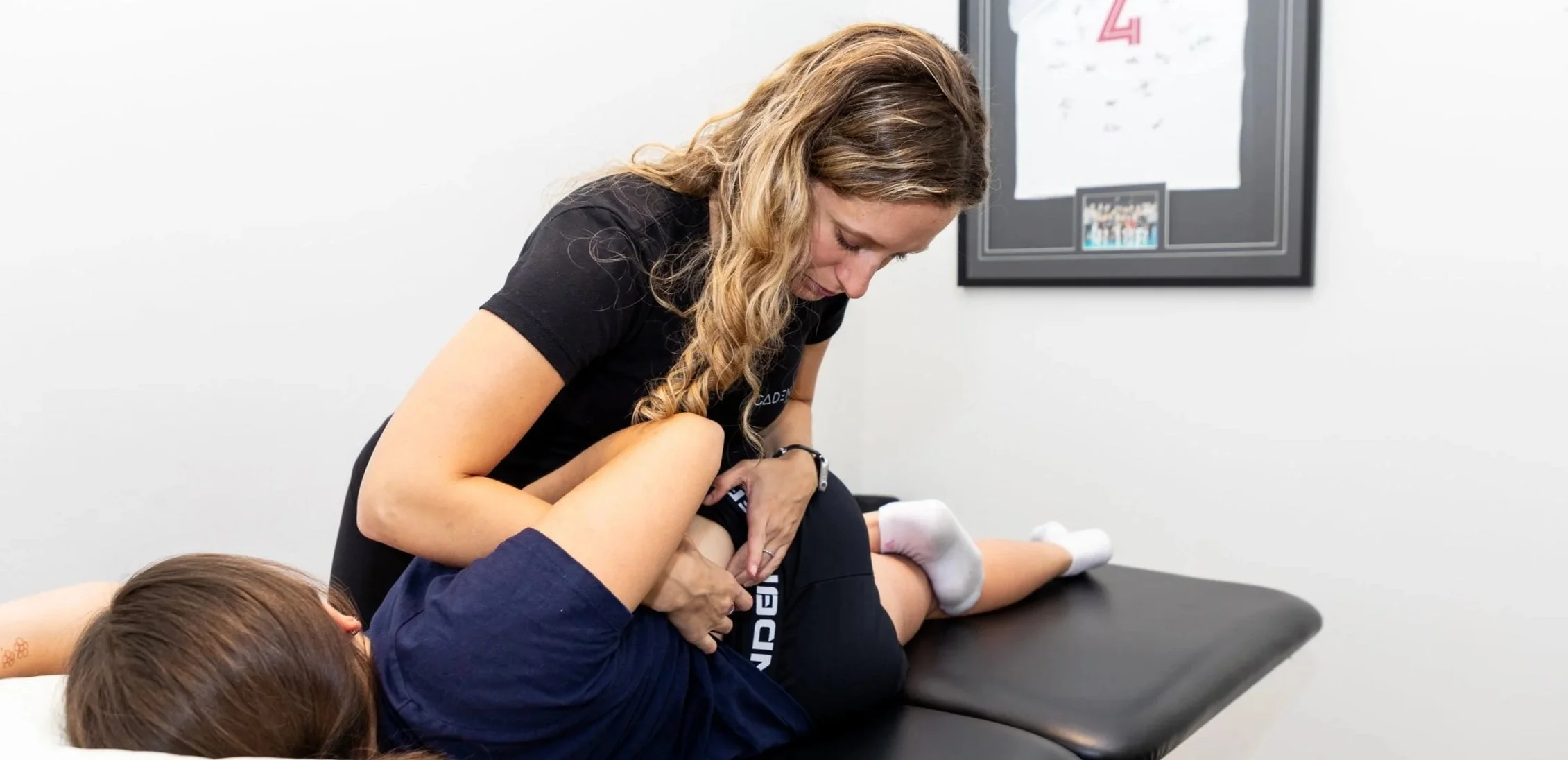
Personalized assessment and treatment to help with pain, injury recovery, mobility, strength, post-surgical rehab, and return to daily activity or sport.
-
![]()
pelvic floor physiotherapy
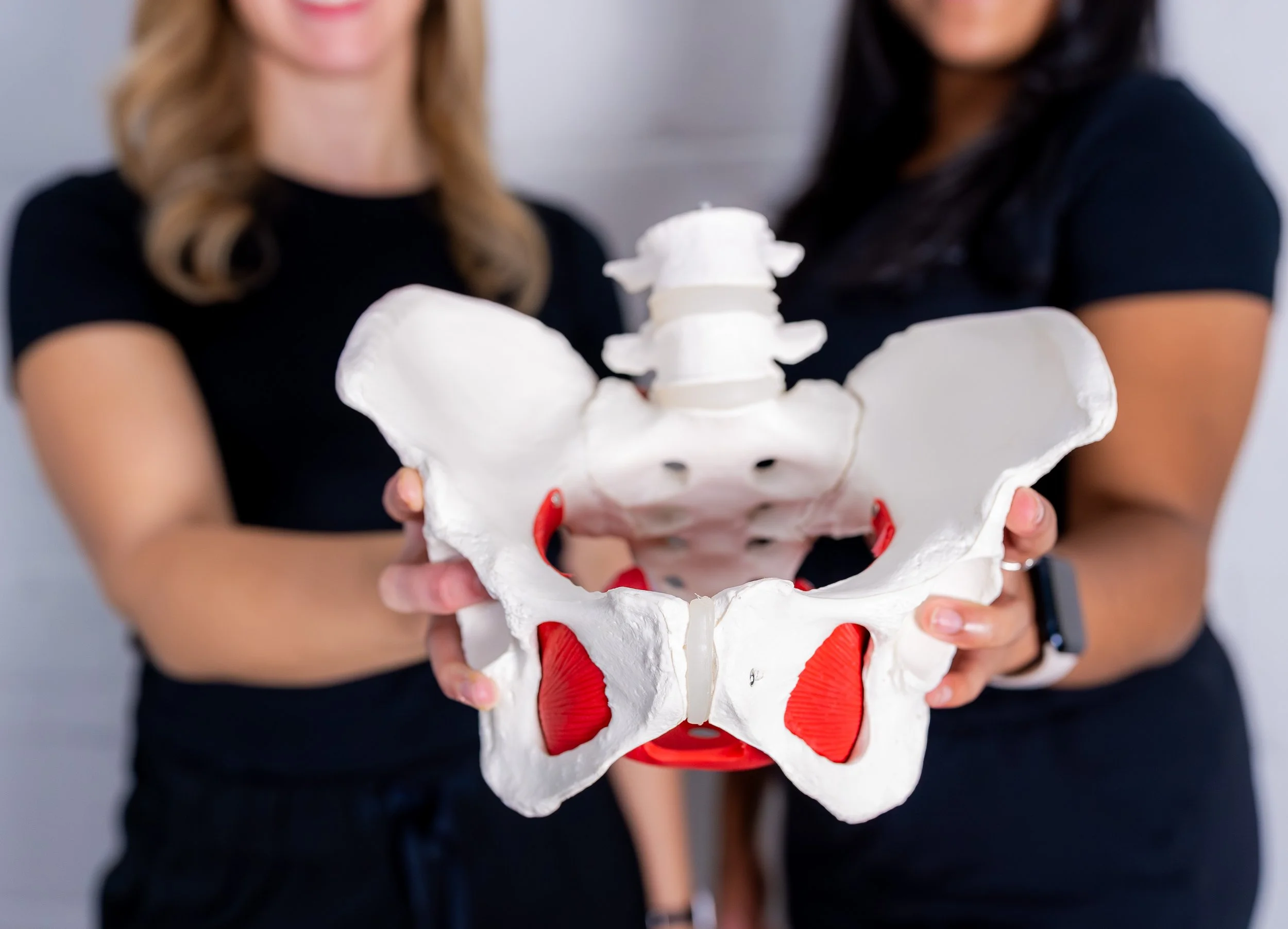
Specialized care for pelvic health, pregnancy, postpartum recovery, incontinence, pelvic pain, prolapse, diastasis recti, and return to exercise.
-
![]()
sports physiotherapy
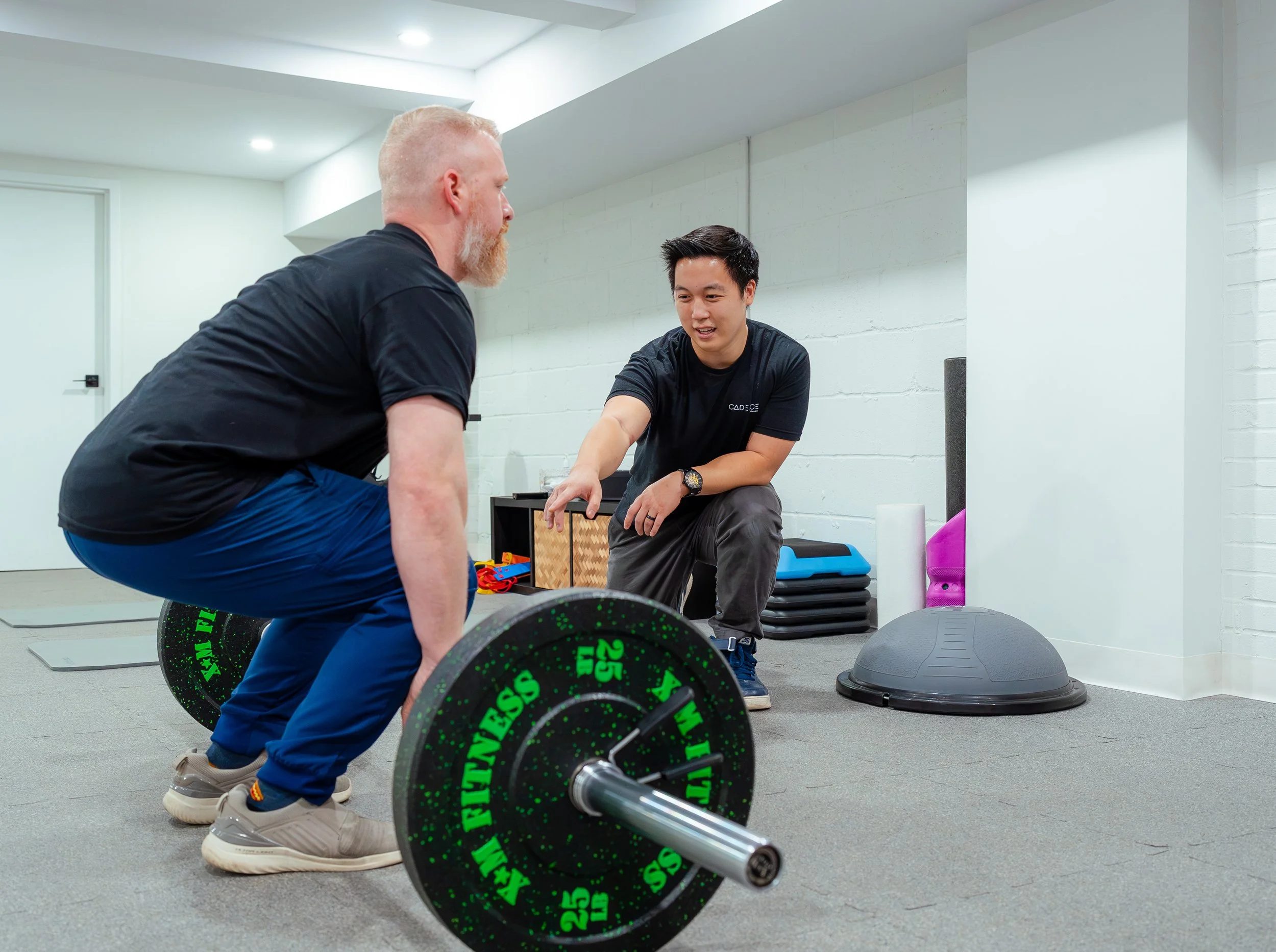
Rehabilitation support for sports injuries, ACL repairs, Achilles’ tendon tears, running concerns, load management, and return-to-sport planning.
-
![]()
massage therapy
Registered massage therapy for muscle tension, chronic pain, stress relief, postural strain, headaches, prenatal comfort, and recovery support.
-
![]()
shockwave therapy
Targeted treatment used to support pain reduction, blood flow, tissue healing, and recovery for certain tendon, muscle, and soft tissue concerns.
-
![]()
strength and conditioning
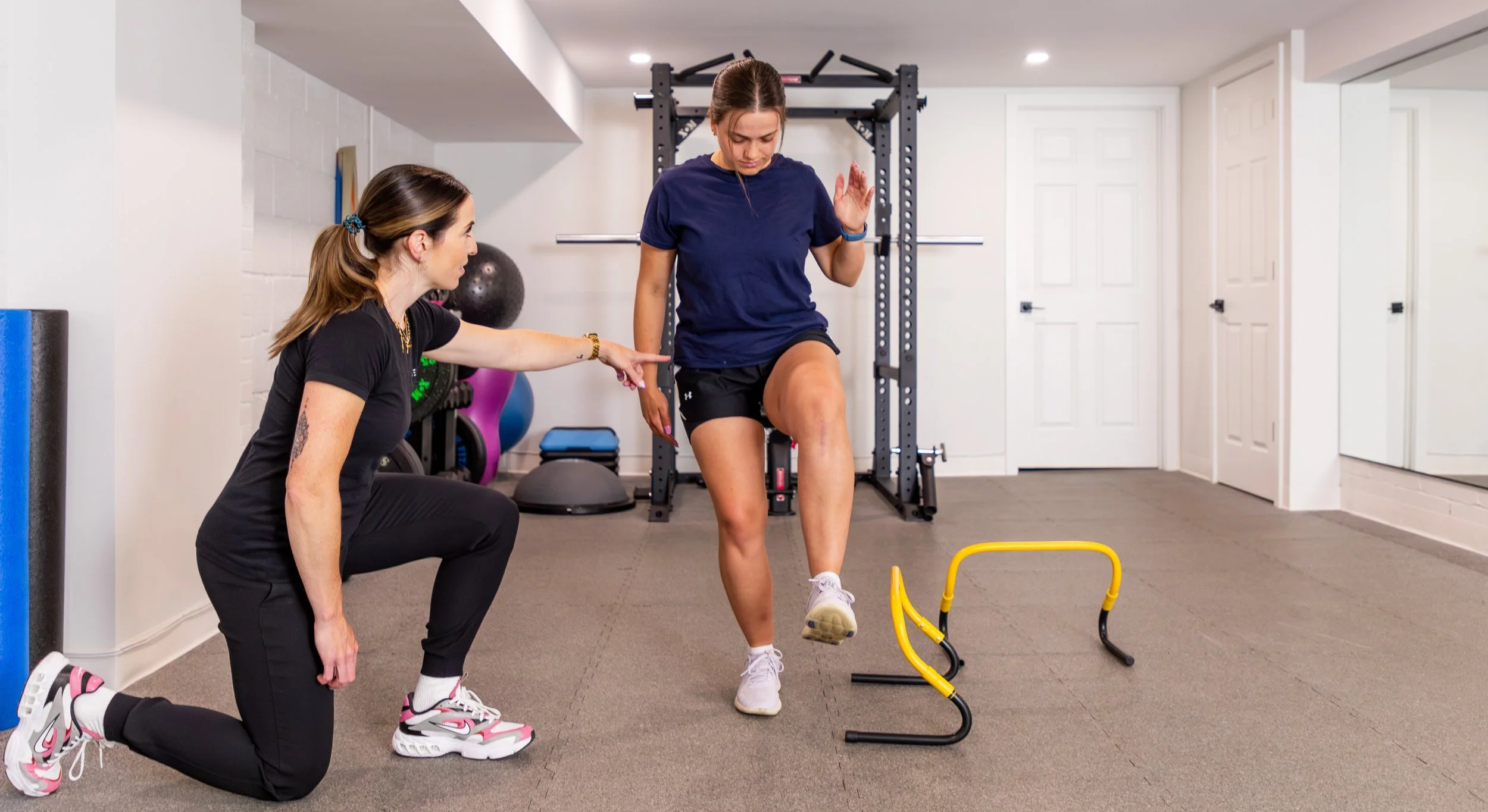
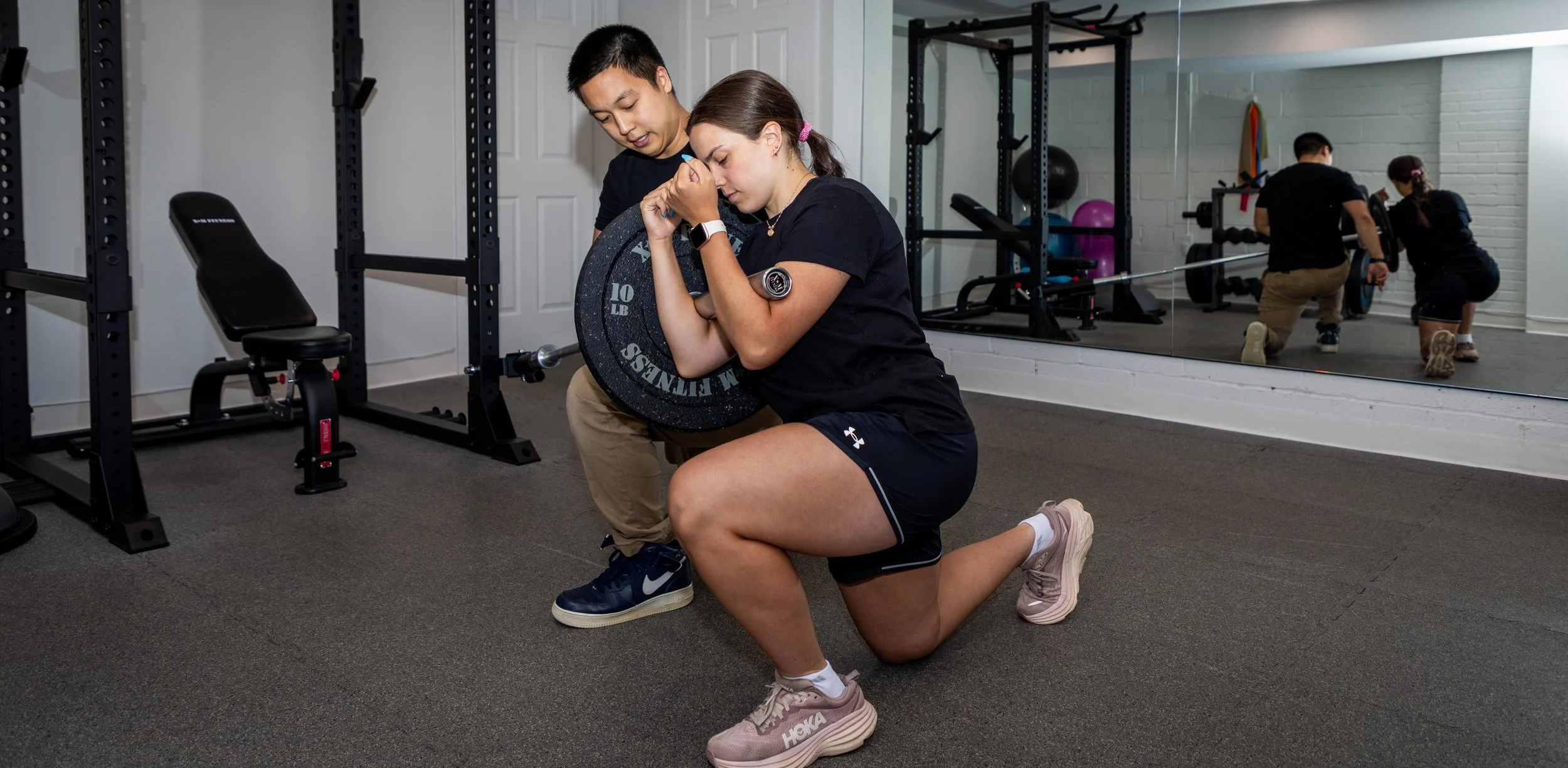
Guided strength and movement support to help you build resilience, improve performance, and feel more capable in your body.
what to expect during your acupuncture or dry needling appointment
If you've never tried acupuncture or dry needling, it's natural to have questions about how the treatment works and what it feels like.
Your practitioner will explain the recommended approach, answer your questions, and obtain your consent before proceeding.
assessment and discussion
Your practitioner will review your symptoms, health history, goals, and any factors that may affect whether needling is appropriate.
explaining your treatment options
You'll learn about the proposed technique, potential benefits, possible side effects, and alternative treatment options. You can ask questions or decline treatment.
the treatment session
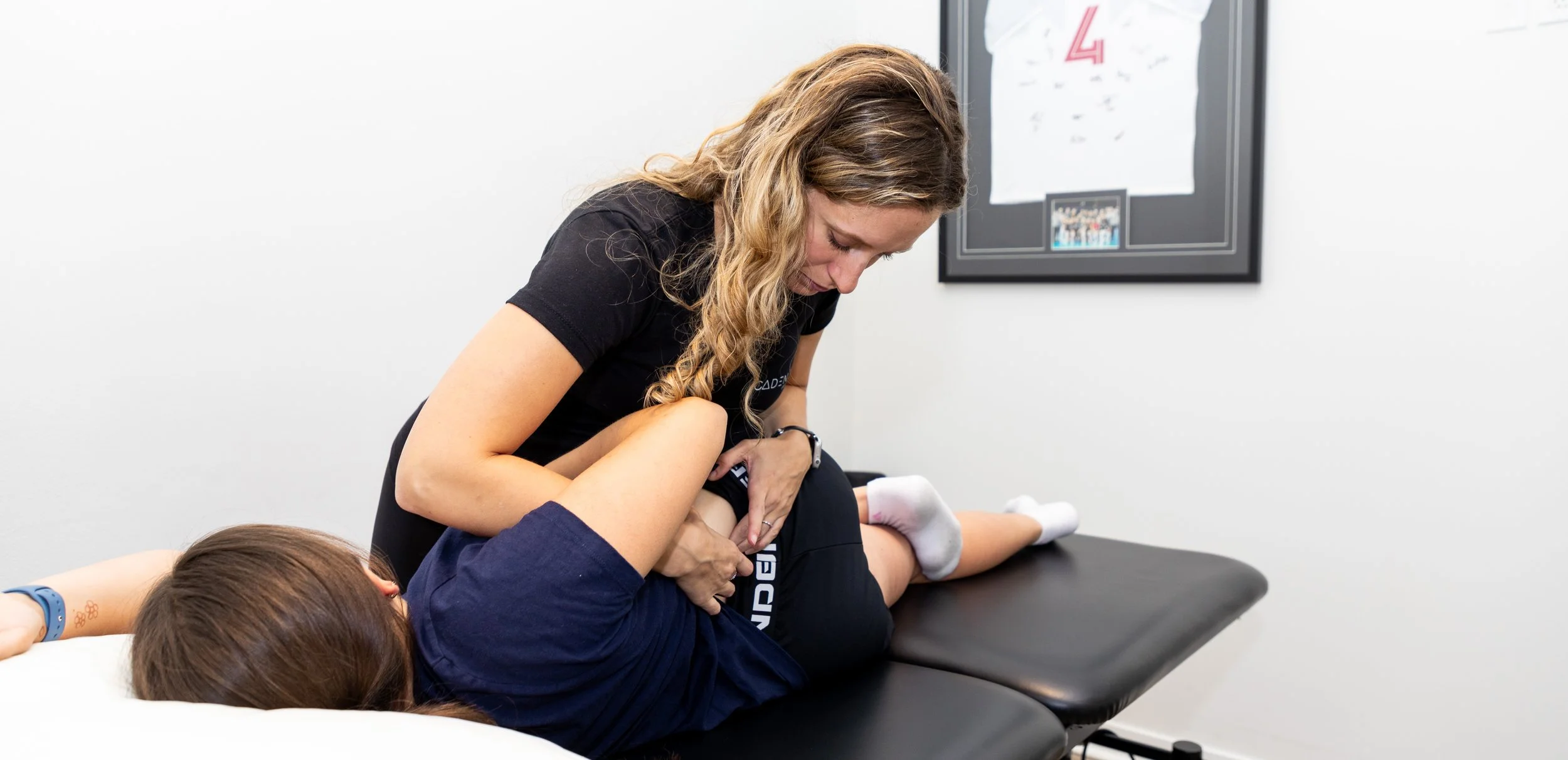
Single-use, sterile needles are inserted into selected points or muscle areas. Some patients feel a mild pinching sensation, muscle twitch, dull ache, or pressure.
Your practitioner will monitor your response and comfort throughout the session.
aftercare and next steps
Temporary soreness, bruising, or fatigue may occur after treatment. Your practitioner will provide relevant aftercare guidance and explain how needling fits into your overall recovery plan.
physiotherapy near you
-
![]()
physiotherapy in toronto
Looking for physiotherapy in Toronto? Cadence provides personalized care for pain, injury recovery, sports rehabilitation, pelvic health, pregnancy and postpartum support, and everyday movement concerns.
-
![]()
physiotherapy in scarborough
Our clinic is located in Scarborough on Kingston Road, making it a convenient option for patients looking for physiotherapy in Scarborough and surrounding neighbourhoods.
-
![]()
physiotherapy in the beaches
For patients in The Beaches, Cadence offers accessible care close to home, with support for active lifestyles, injury recovery, pelvic health, postpartum care, and pain management.
-
![]()
physiotherapy in kingston road village
Located directly in the Kingston Road Village area, Cadence supports local residents with individualized, hands-on care and movement-based rehabilitation.
-
![]()
physiotherapy in birch cliff
Located near the Birch Cliff area, Cadence offers a modern, clean, and vibrant clinic for local residents to achieve and maintain your physical best.
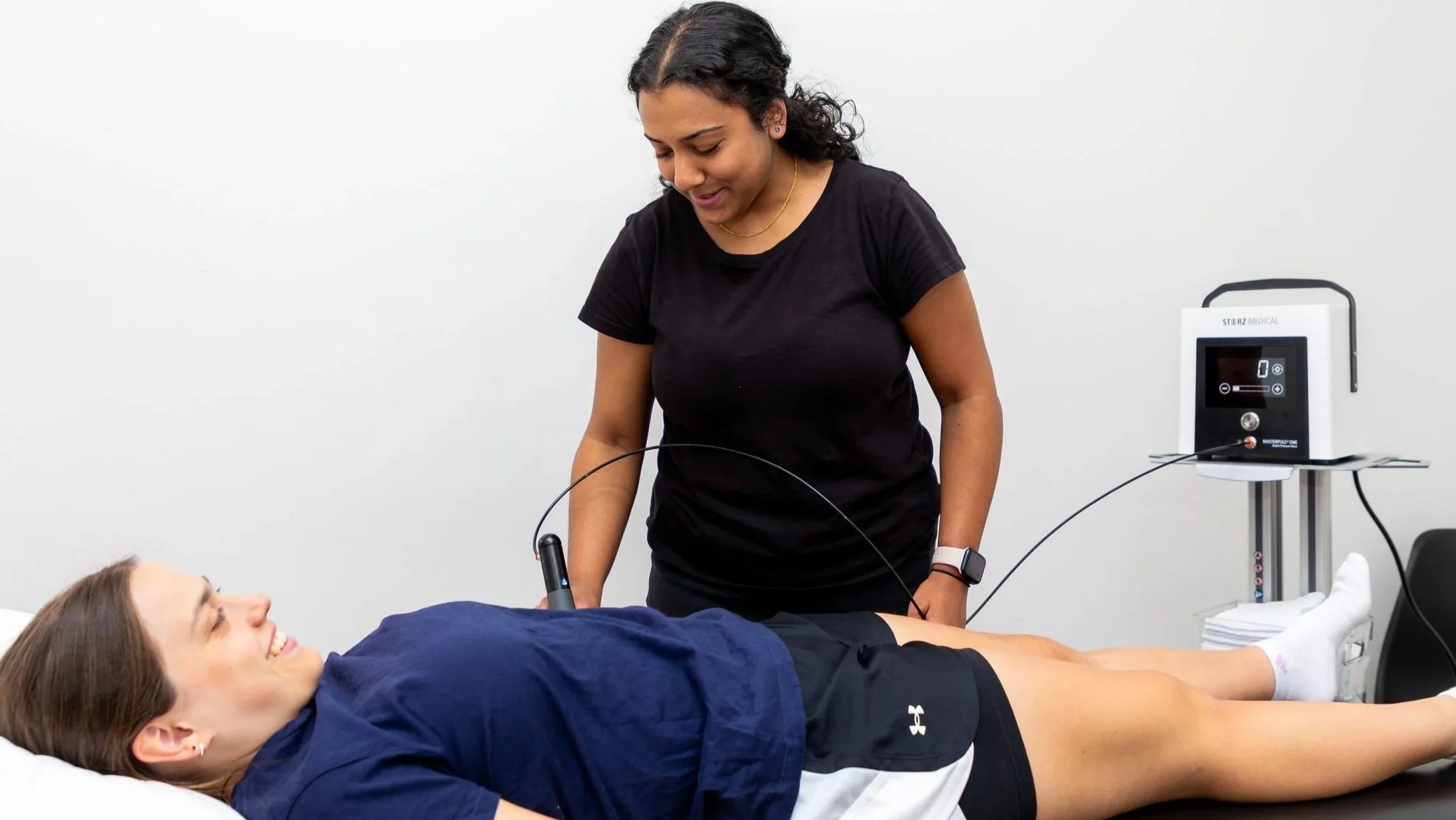
explore your treatment options at cadence
Whether you're managing muscle tension, persistent discomfort, or an injury affecting your activity, our team can help you understand your options.
Book an assessment at Cadence Physiotherapy in Toronto's east end and take the next step toward returning to the activities you enjoy.
frequently asked questions
-
Most people experience little discomfort during acupuncture, although sensations vary. You may notice a mild pinch, pressure, warmth, or dull ache when a needle is inserted. Your practitioner will explain what to expect and monitor your comfort throughout the session.
-
Dry needling may produce a brief pinch, muscle twitch, or aching sensation. Some patients experience temporary soreness afterward, similar to muscle soreness following exercise. Experiences vary depending on the area treated and individual sensitivity.
-
Not exactly. Both treatments use thin needles, but dry needling commonly focuses on muscle tissue and trigger points, while acupuncture uses points selected according to the practitioner's treatment approach. The techniques can overlap, and both may be used for certain musculoskeletal concerns.
-
Research suggests that acupuncture may help with some conditions, including certain types of back or neck pain, knee osteoarthritis, and headaches. The benefits vary, and it is not equally effective for every condition or patient.
-
Acupuncture may be useful as part of a pain management plan for some people. Your practitioner can assess whether it is suitable for your condition and whether other treatment approaches should also be considered.
-
Dry needling is commonly used for muscle-related pain, sensitive trigger points, and certain movement restrictions. It may be incorporated into physiotherapy or another appropriate rehabilitation program.
-
Coverage depends on your extended health insurance policy, the service provided, and the professional designation of the treating practitioner. Some plans may cover needling as part of physiotherapy, while others have different requirements for acupuncture. Check with your insurer and Cadence before booking.
-
Dry needling is generally considered a low-risk procedure when performed by an appropriately trained practitioner using proper techniques, but it is not risk-free. Possible effects include temporary soreness, bruising, minor bleeding, or dizziness. Rare but serious complications, including pneumothorax, can occur depending on the treatment area. Your practitioner should discuss relevant risks and alternatives before treatment.
-
Cadence Physiotherapy is located at 1066 Kingston Road in Scarborough, near Kingston Road and Victoria Park Avenue. The clinic serves patients from Toronto, Scarborough, The Beaches, Kingston Road Village, Birch Cliff, and nearby east-end communities.
-
The number of sessions varies depending on your condition, treatment goals, and response. Your practitioner can discuss a recommended approach after assessing your symptoms.